
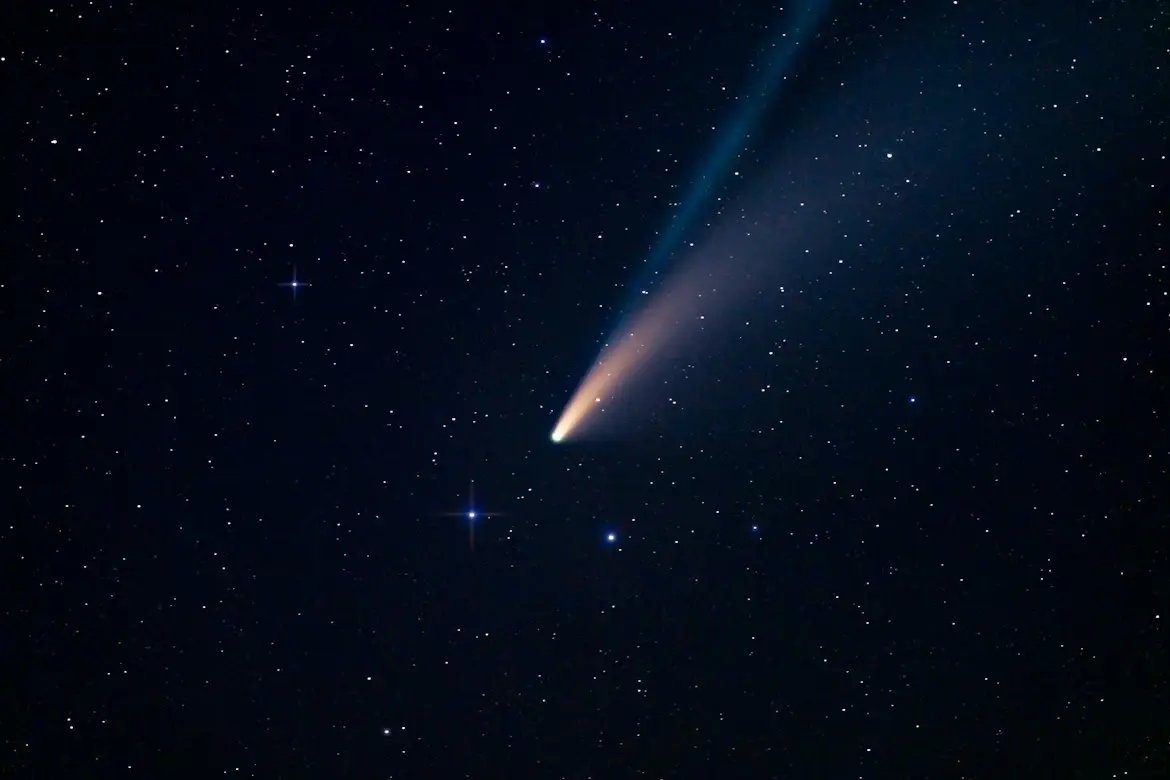
Every object you usually read about in space science belongs to our solar system. Planets, moons, asteroids, and even most comets are gravitationally tied to the Sun. But once in a very long while, something extraordinary appears—an object that formed around another star and simply passes through. Interstellar comet 3i atlas nasa is one such visitor, and its discovery has reshaped how scientists view material exchange between star systems.
This comet is not only rare but scientifically priceless. It represents physical evidence from beyond our solar system, allowing astronomers to study matter shaped under completely different stellar conditions. Thanks to rapid detection and global observation efforts, researchers gathered high-quality data during its brief visit.
Table of Contents
Interstellar Comet 3I Atlas NASA: What Makes This Visitor So Important
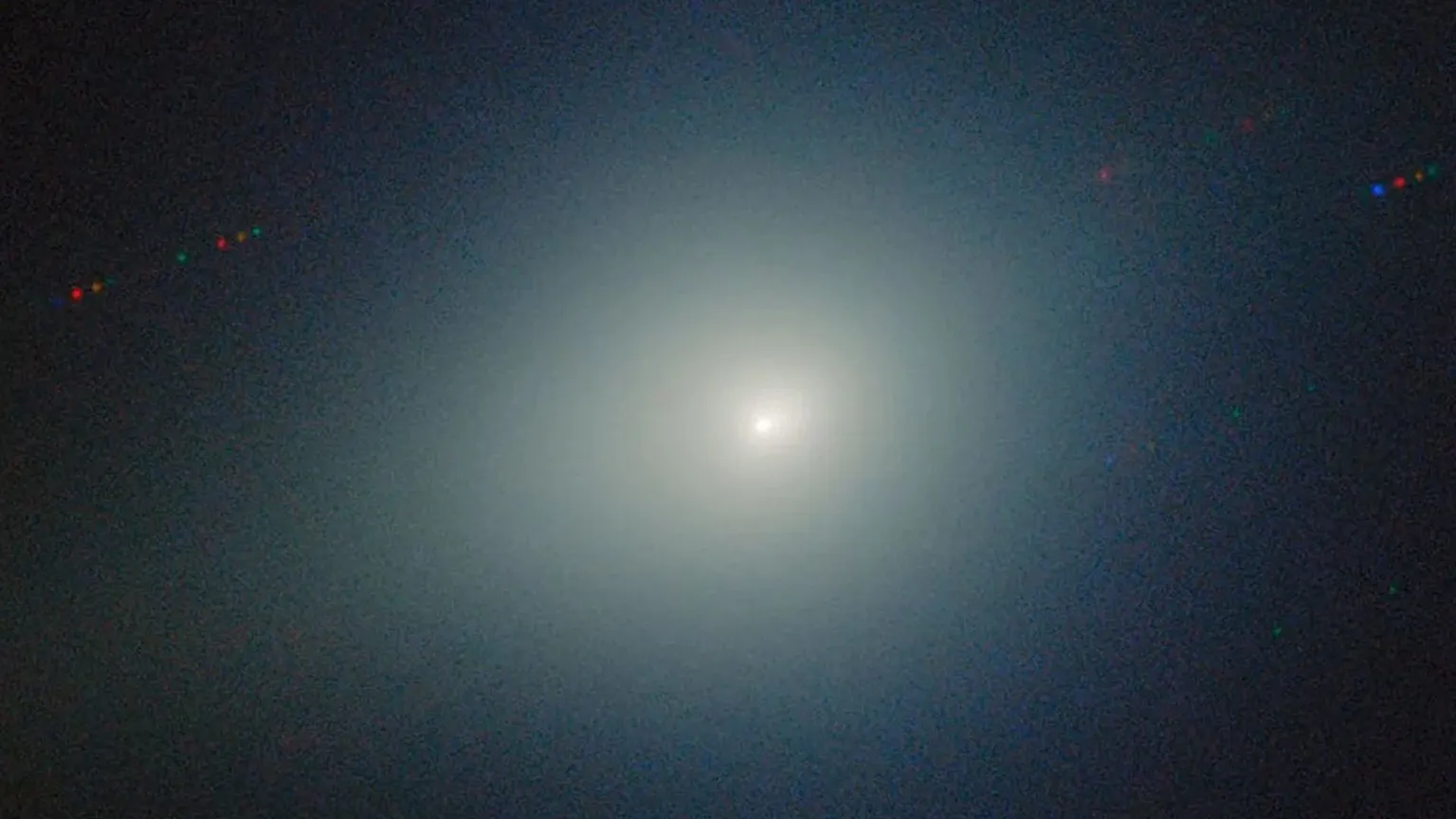
Interstellar comet 3i atlas nasa stands apart from every ordinary comet you’ve heard about because it did not form near our Sun. Scientists confirmed that it arrived from interstellar space, travelling on a hyperbolic path that proves it is only passing through the solar system once.
This object displays clear comet activity, including a visible coma and dust release as it approaches the Sun. That behaviour confirms it contains frozen gases, which heat up and escape into space. For researchers, this is valuable because it allows direct comparison between solar system comets and those formed around other stars.
Another reason this comet matters is timing. Detection systems identified it early, allowing NASA to organise detailed observations across multiple telescopes. This created a rare opportunity to study an interstellar object while it was still active and observable.
Because of these factors, this comet plays a key role in improving how interstellar objects are detected, tracked, and classified in the future.
Discovery Timeline and Early Analysis
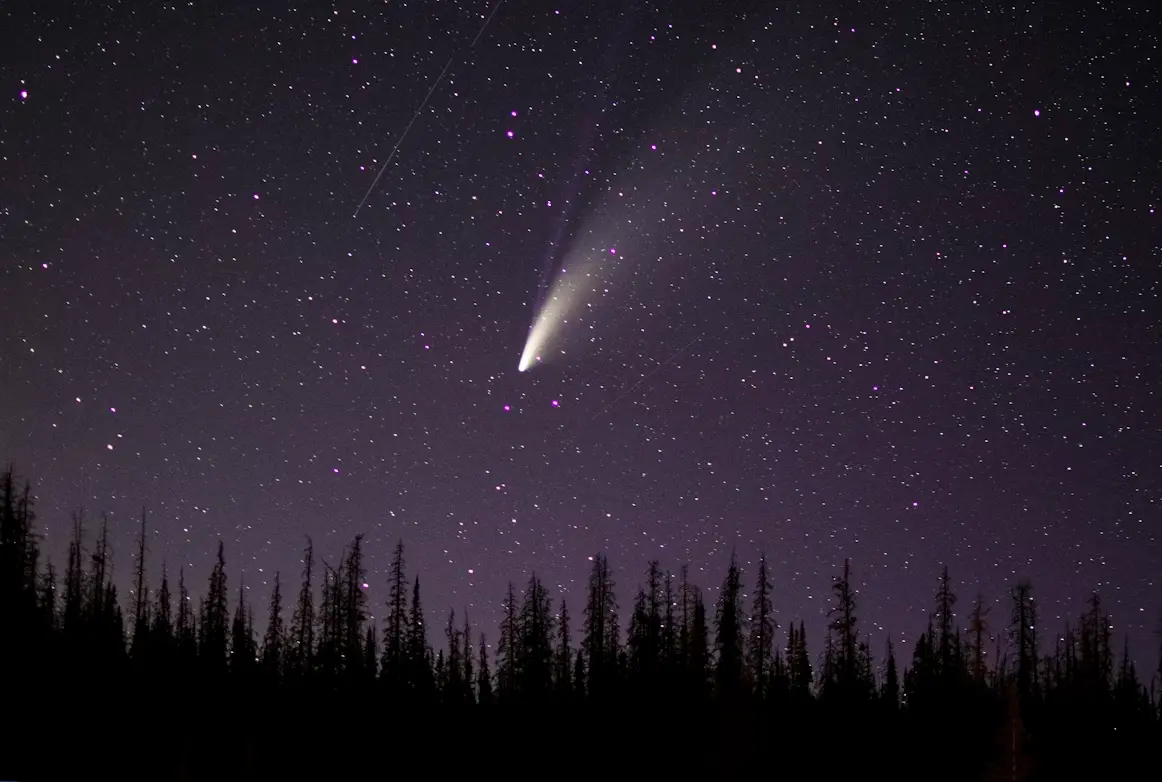
The comet was first detected on July 1, 2025, during a routine sky survey. At first glance, it looked like another fast-moving object. However, when astronomers calculated its velocity and direction, they noticed something unusual—it was moving far faster than objects typically bound to the Sun.
Archived telescope images helped trace its earlier positions, confirming that it entered the solar system from interstellar space. Within days, the discovery was verified and shared globally. This rapid confirmation allowed scientists to organise coordinated observations almost immediately.
Early analysis focused on understanding its size, brightness, and activity level. These initial measurements helped determine which telescopes and instruments would be most effective for further study.
NASA’s Observation Strategy and Tracking Efforts
NASA approached this discovery with a multi-layered observation plan. Instead of relying on one telescope, several space-based and ground-based instruments were used simultaneously. This allowed scientists to collect complementary data rather than isolated measurements.
High-resolution imaging revealed the structure of the dust cloud surrounding the nucleus. Infrared instruments measured gas emissions, helping identify volatile compounds present on the comet. Tracking data refined its trajectory and confirmed its interstellar origin beyond doubt.
This coordinated effort represents a major step forward in NASA comet tracking and interstellar object observation. Each successful campaign improves readiness for future discoveries.
Trajectory, Speed, and Earth Safety
One of the most common concerns with newly discovered space objects is whether they pose a threat. In this case, there was never any danger. Interstellar comet 3I/ATLAS passed millions of kilometres away from Earth, well outside any risk zone.
Its closest approach to the Sun occurred in late October 2025. After that, it continued outward, gradually fading as it moved away from observational range. By December 2025, it reached its nearest point to Earth while remaining completely safe.
Its high speed and precise trajectory measurements ensured accurate predictions. This level of certainty reflects how advanced modern space monitoring systems have become.
Scientific Insights Gained from 3I/ATLAS
The most valuable contribution of this comet lies in its composition. Spectroscopic analysis detected water vapour and carbon-based molecules—materials commonly found in solar system comets. However, the relative proportions differed slightly, suggesting formation under different temperature and pressure conditions.
These findings support the idea that planetary systems across the galaxy share basic building blocks, but assemble them in varied ways. This has important implications for understanding how planets form around other stars.
When compared with earlier interstellar objects, this comet fills important gaps. ʻOumuamua lacked visible comet activity, while 2I/Borisov appeared more familiar. Interstellar comet 3I/ATLAS shows that interstellar objects exist on a broad spectrum rather than fitting one pattern.
Wrapping Up
The discovery of interstellar comet 3i atlas nasa represents a major step forward in understanding objects that originate beyond our solar system. This rare visitor provided direct evidence of material formed around another star, offering insights that cannot be gained from local comets alone. Early detection allowed scientists to observe its structure, composition, and motion in detail before it moved away. These observations are helping improve how interstellar objects are identified and studied in the future. As detection technology advances, more such visitors may be found, but 3I/ATLAS will remain a key reference in interstellar research.
Frequently Asked Questions (FAQs)
Q1. What is interstellar comet 3I/ATLAS?
It is a comet that originated outside our solar system and is passing through only once. Its speed and path confirm it is not bound to the Sun.
Q2. Why is interstellar comet 3I/ATLAS important for science?
It allows scientists to study material formed around another star. This helps compare how planetary systems develop across the galaxy.
Q3. Is interstellar comet 3I/ATLAS dangerous to Earth?
No, it passed millions of kilometers away from Earth. At no point did it pose any risk to the planet.
Q4. How was interstellar comet 3I/ATLAS discovered?
It was identified by sky survey systems that track fast-moving objects. Its unusual motion quickly revealed its interstellar origin.
Q5. Will interstellar comet 3I/ATLAS return again?
No, its trajectory is open and one-directional. Once it leaves the solar system, it will not come back.

RELATED ARTICLES



Latest Articles
 People Over Papers: Protecting Immigrant…In General
 Budget Vs. Quality: Comparing Pre-school…In Business
 Instagram IP Address Blocked: How Long I…In Technology
 Fast, compliant global background screen…In Tech Startups
 Balancing Investment and Protection with…In Insurance
 Japan Tour Packages for Travellers Who W…In Tips
 Getting What You Need: Align Your Action…In General
 Preventing Dust Damage With Proper Lapto…In Gadgets