
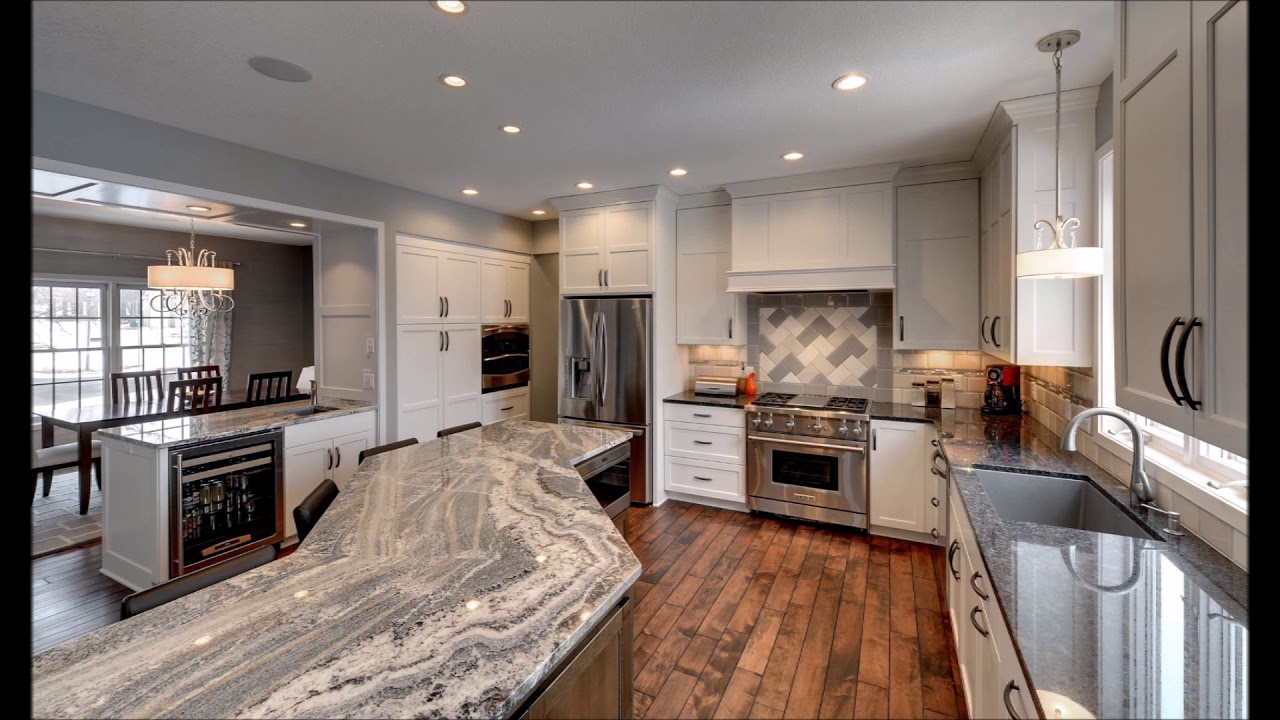
Your home is more than where you sleep and eat — it is an investment, a reflection of your lifestyle, and a space that shapes how you feel every day. Yet many homeowners overlook one of the simplest, most cost-effective ways to elevate that space: updating fixtures. From ceiling fans to faucets to entry doors, targeted fixture changes can dramatically shift a home’s aesthetic, functionality, and market value without the disruption of a full renovation.
Why Fixtures Matter More Than You Think
Fixtures occupy a peculiar position in home design. They are simultaneously functional and decorative, background and focal point. When they are dated or worn, they quietly drag down the feel of an entire room. When they are well-chosen and modern, they tie a space together in a way that even fresh paint cannot fully replicate.
According to data from Remodeling Magazine’s 2025 Cost vs. Value Report, exterior improvements have dominated the top-performing renovation projects for several consecutive years, largely because buyers form their impression of a home before they walk through the door. This principle applies just as much to the interior. A bathroom with cracked faucets and a foggy mirror signals neglect, while one outfitted with clean, modern hardware communicates care and quality. The fixtures you choose tell a story.
Ceiling Fans: Comfort, Efficiency, and Style in One
Few fixtures offer the combination of comfort, energy efficiency, and visual impact that a ceiling fan does — particularly when it is well-designed and properly sized for the room. Older fans with mismatched blades, yellowed casings, or noisy motors are a common source of visual clutter and energy waste in otherwise attractive rooms.
Upgrading to a modern ceiling fan can make a noticeable difference on your utility bills. According to the Department of Energy, a ceiling fan allows you to raise your thermostat setting about 4°F without any reduction in comfort, and homeowners who use ceiling fans alongside their air conditioning can save approximately 12% on cooling costs. That efficiency gain is even more pronounced with certified models. According to Hunter Fan Company, “Certified ceiling fans are 64% more efficient on average than conventional fans, helping homeowners reduce both their energy bills and their environmental footprint. When you factor in that savings over a full cooling season, a fixture upgrade that costs a few hundred dollars can pay for itself within a year or two.”
Beyond efficiency, the visual upgrade is undeniable. A fan with a brushed nickel or matte black finish, integrated LED lighting, and clean blade lines transforms a ceiling from dead space into a design feature. In living rooms, bedrooms, and covered patios alike, the right ceiling fan anchors a room.
Faucets and Plumbing Fixtures: The Details That Define a Space
The kitchen and bathroom are the two rooms buyers and homeowners scrutinize most, and plumbing fixtures are often what they notice first. A pull-down kitchen faucet in a brushed gold or matte black finish can modernize a kitchen without touching the cabinets or countertops. In the bathroom, swapping out a builder-grade chrome faucet for something with more character — a waterfall spout, a vessel-style tap, or a coordinated set with matching towel bars and toilet hardware — can produce a dramatic transformation at a fraction of the cost of a full remodel.
About 18% of real estate agents report that modernized bathrooms rank as the second most sought-after feature among buyers, and remodeling a bathroom can increase property value by as much as 74% of the renovation cost. Not all of that investment needs to go into tile and cabinetry. A significant portion of the perceived value comes from fixtures alone. Water-saving fixtures like low-flow toilets, faucets, and showerheads reduce water bills without sacrificing performance, and they add to a home’s overall efficiency appeal in ways that resonate with today’s buyers.
Lighting Fixtures: Instant Mood and Market Appeal
Lighting is one of the fastest and most affordable ways to change how a room feels. A dining room dominated by a dated brass chandelier with frosted glass shades reads as stuck in the past. Replace it with a cluster pendant in black iron or a sculptural statement piece, and the room takes on an entirely different personality.
Cosmetic updates including new lighting fixtures can be accomplished for as little as $3,000 to $15,000 depending on the scope, making them among the most accessible improvement categories available to homeowners. Even a single statement fixture — above an island, in an entryway, or over a bathroom vanity — can shift a room’s perceived quality considerably.
The shift toward LED lighting has also given homeowners more control over the warmth and color temperature of their spaces. Warm white LEDs in a bedroom create an entirely different atmosphere than the cool-toned bulbs commonly found in older fixtures. Choosing fixtures with dimming capability adds yet another layer of flexibility.
Entry Doors and Exterior Hardware: Curb Appeal That Converts
The front door and its surrounding hardware are the fixtures buyers and guests interact with first, making them disproportionately influential. A steel entry door with low-e glass sidelights, a new lockset, and a deadbolt averages around $2,435 installed and adds approximately $5,270 in resale value — a return of 216% according to the 2025 Cost vs. Value Report. Few investments in the home come close to that ratio.
Beyond the door itself, swapping out an outdated knocker, house numbers, or porch light fixture can reinforce the impression of a well-maintained, thoughtfully designed home. These are small fixtures, but they form the first visual layer a visitor processes, and that first layer matters enormously.
Making the Most of Every Fixture Upgrade
The key to transforming your home through fixtures is coherence. Mixing too many metal finishes, choosing fixtures that clash with your architectural style, or upgrading one room while leaving adjacent spaces untouched can dilute the overall effect. Start with the rooms or areas that get the most daily use — kitchens, bathrooms, and main living areas — and choose a finish direction that you can carry consistently throughout.
The U.S. home improvement market is projected to reach approximately $688 billion by 2029, reflecting just how seriously homeowners are investing in their spaces. But you do not need to spend lavishly to see results. Thoughtful fixture changes, chosen with an eye for both function and design, remain one of the most reliable ways to make a home feel new without rebuilding it from the ground up.



Latest Articles
 What Does Igh Mean in Text? Decode This …In Social Media
- What Does GNG Mean in Texting? 2 Meaning…In Social Media
- Buying a Used Car? Your Insurance Quote …In Insurance
- TW Meaning in Chat: Why Is Everyone Usin…In Social Media
- What Does WYFF Mean? Slang Meaning, Text…In Social Media
- Health Insurance Premium Estimator: What…In Insurance
- Gonzay.com: The Complete Guide to Guest …In Digital Marketing
- Roland von Kurnatowski Sr.: Theo Von’s D…In Biography