
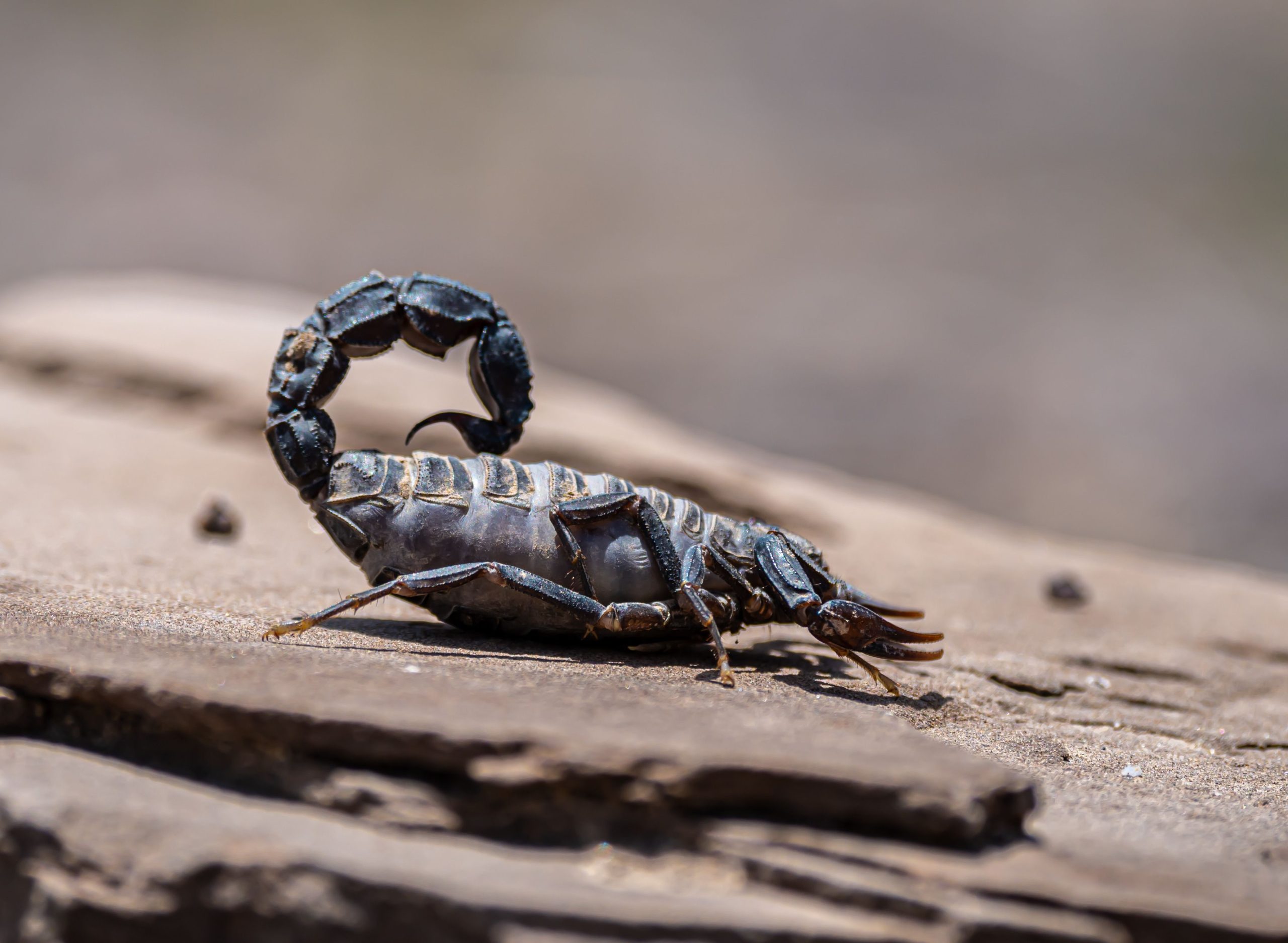
Scorpions are among the oldest creatures on Earth, with a history dating back more than 400 million years. You’ll be amazed to learn that these fascinating fun facts about scorpions; these arachnids have survived dramatic changes in climate and adapted to deserts, forests, grasslands, and many other habitats around the world.
While their sharp claws and venomous tail often make them appear dangerous, most scorpion species are harmless to humans. From glowing under ultraviolet light to surviving months without food, they have developed remarkable abilities that help them hunt, defend themselves, and thrive in challenging environments.
In this article, you will learn some surprising scorpion facts, including where they live, what they eat, how their venom works, and why these ancient creatures continue to fascinate scientists.
Table of Contents
Facts at a Glance
| Feature | Details |
| Scientific classification | Arachnida |
| Number of known species | More than 2,500 |
| Body structure | Eight legs, claws, segmented tail, stinger |
| Average lifespan | Around 3–8 years, depending on species |
| Diet | Insects, spiders, and small animals |
| Main habitats | Deserts, forests, grasslands, and caves |
| Special ability | Can glow under ultraviolet light |
| Found on | Every continent except Antarctica |
Fun Facts About Scorpions
Scorpions are full of unusual abilities and surprising behaviors that make them one of the most fascinating creatures on Earth. Let’s have a look at some fun facts about scorpions below:
1. Scorpions Are Older Than Dinosaurs
One of the most surprising scorpion facts is that these creatures existed long before dinosaurs appeared. Fossil evidence suggests that early scorpions lived more than 400 million years ago during the Silurian period.
Ancient scorpions were different from modern species and were often much larger. Some early relatives even lived in aquatic environments before gradually adapting to life on land.
Their ability to survive for hundreds of millions of years shows how effective their natural adaptations are. Their tough outer skeleton, ability to conserve energy, and flexible hunting methods helped them survive major environmental changes throughout Earth’s history.
2. Scorpions Are Not Insects
Many people assume scorpions are insects because of their small size and appearance, but they actually belong to the arachnid family.
The main differences between insects and scorpions include:
- Scorpions have eight legs, while insects have six.
- Scorpions do not have wings or antennae.
- Their bodies are divided differently compared with insects.
- They are closely related to spiders and other arachnids.
This classification places scorpions among some of the most successful groups of small predators on Earth.
3. Scorpions Glow Under Ultraviolet Light
A unique feature of scorpions is their ability to glow when exposed to ultraviolet (UV) light. Under a black light, their outer shell can appear bright blue-green because of chemicals present in their exoskeleton.
Scientists are still studying the exact reason behind this ability. Some researchers believe the fluorescence may help scorpions detect light levels or protect them from excessive exposure, while others think it may help them sense their surroundings.
This unusual feature has also helped researchers locate and study scorpions at night, as many species are active after sunset.
4. There Are Thousands of Scorpion Species Around the World
Scientists have identified more than 2,500 scorpion species, and new species continue to be discovered. These species vary greatly in size, appearance, habitat, and venom strength.
Some scorpions are only a few centimeters long, while larger species can grow several inches in length. Their colors also differ depending on their environment, with shades ranging from pale yellow and brown to black.
Scorpions can be found in many parts of the world, including deserts, tropical forests, mountains, and grasslands. Their ability to adapt to different environments has helped them survive in diverse conditions.
5. Most Scorpions Are Not Dangerous to Humans
Although all scorpions produce venom, most species do not pose a serious threat to humans. Their venom is mainly used to capture prey and protect themselves from predators.
Only a small number of scorpion species have venom strong enough to cause severe medical problems in humans. In many cases, a scorpion sting may result in pain, swelling, or temporary discomfort similar to a bee sting.
Scorpions usually avoid humans and prefer to escape rather than attack. Most stings happen when people accidentally disturb a hidden scorpion.
6. Scorpions Can Survive Extreme Conditions
Scorpions are known for their incredible survival abilities. Many species live in harsh desert environments where temperatures can become extremely high during the day and cold at night.
Their survival skills include:
- A hard outer shell that reduces water loss
- The ability to hide underground during extreme weather
- A slow metabolism that helps conserve energy
- The ability to survive with limited resources
These adaptations allow scorpions to live in some of the most challenging environments on Earth.
7. Some Scorpions Can Survive Without Food for Months
One of the most impressive scorpion facts is their ability to survive long periods without eating. Because they have a slow metabolism, some species can go months without food.
Unlike many animals that need regular meals to maintain energy, scorpions conserve their resources very efficiently. They remain inactive when food is scarce and use stored energy until prey becomes available.
Their diet usually includes insects, spiders, and other small animals. When prey appears, they quickly capture it using their pincers and venom.
8. Baby Scorpions Ride on Their Mother’s Back
Scorpions have a unique reproduction process compared with many other animals. Instead of laying eggs, female scorpions give birth to live young.
After birth, baby scorpions climb onto their mother’s back, where they remain protected until their first molt. During this stage, they are extremely vulnerable because their outer shell is still developing.
The mother provides protection during the early days of their lives, helping the young scorpions survive until they can move independently.
9. Scorpions Hunt Using Vibrations
Scorpions do not rely only on their eyesight when hunting. They use tiny sensory structures on their bodies to detect vibrations and movements around them.
Many scorpions are active at night, when visibility is limited. They can sense the movement of insects and other prey moving across the ground.
Their ability to detect vibrations allows them to locate prey accurately, even in complete darkness.
10. A Scorpion’s Tail Is Its Main Defense Tool
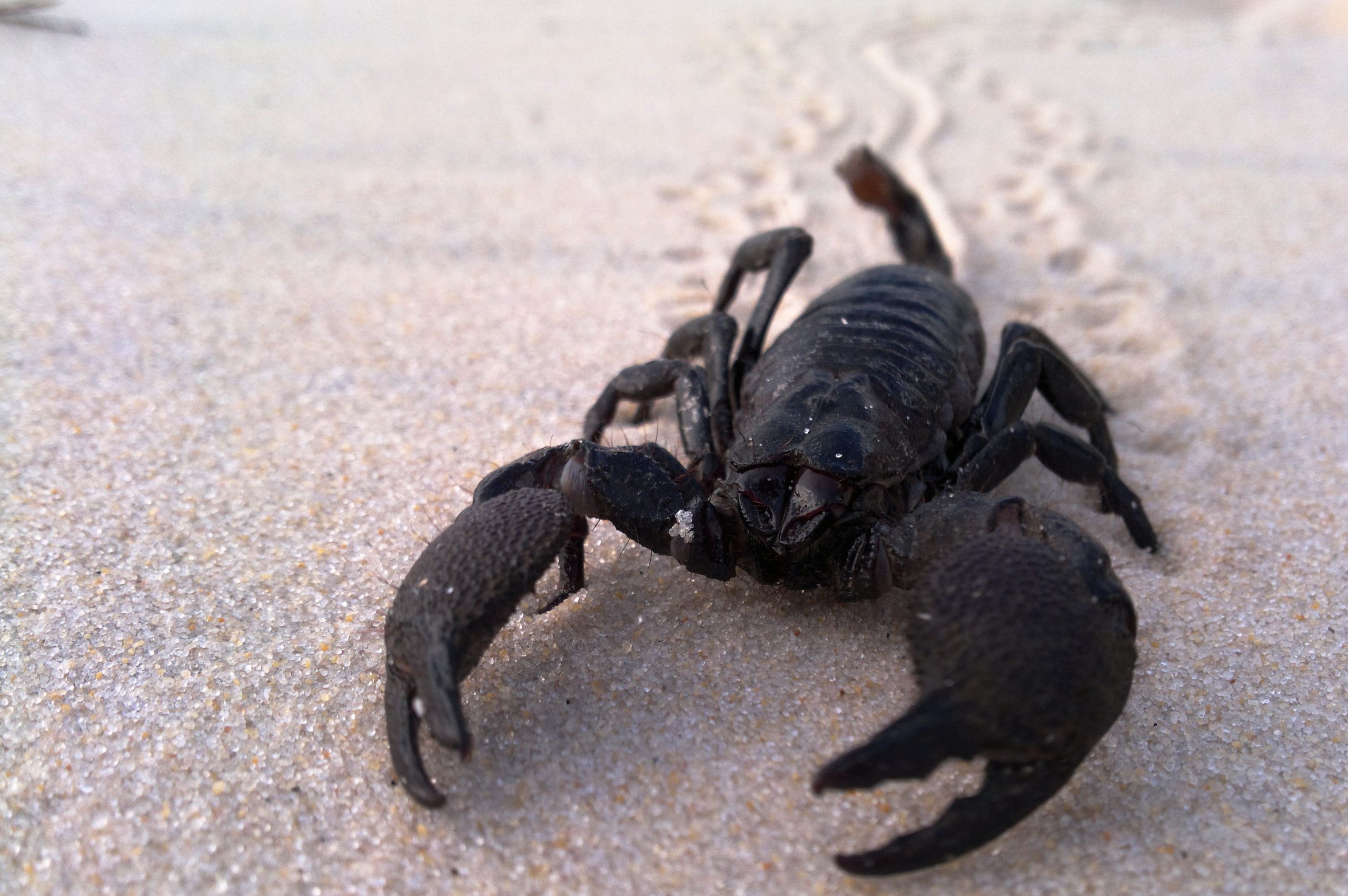
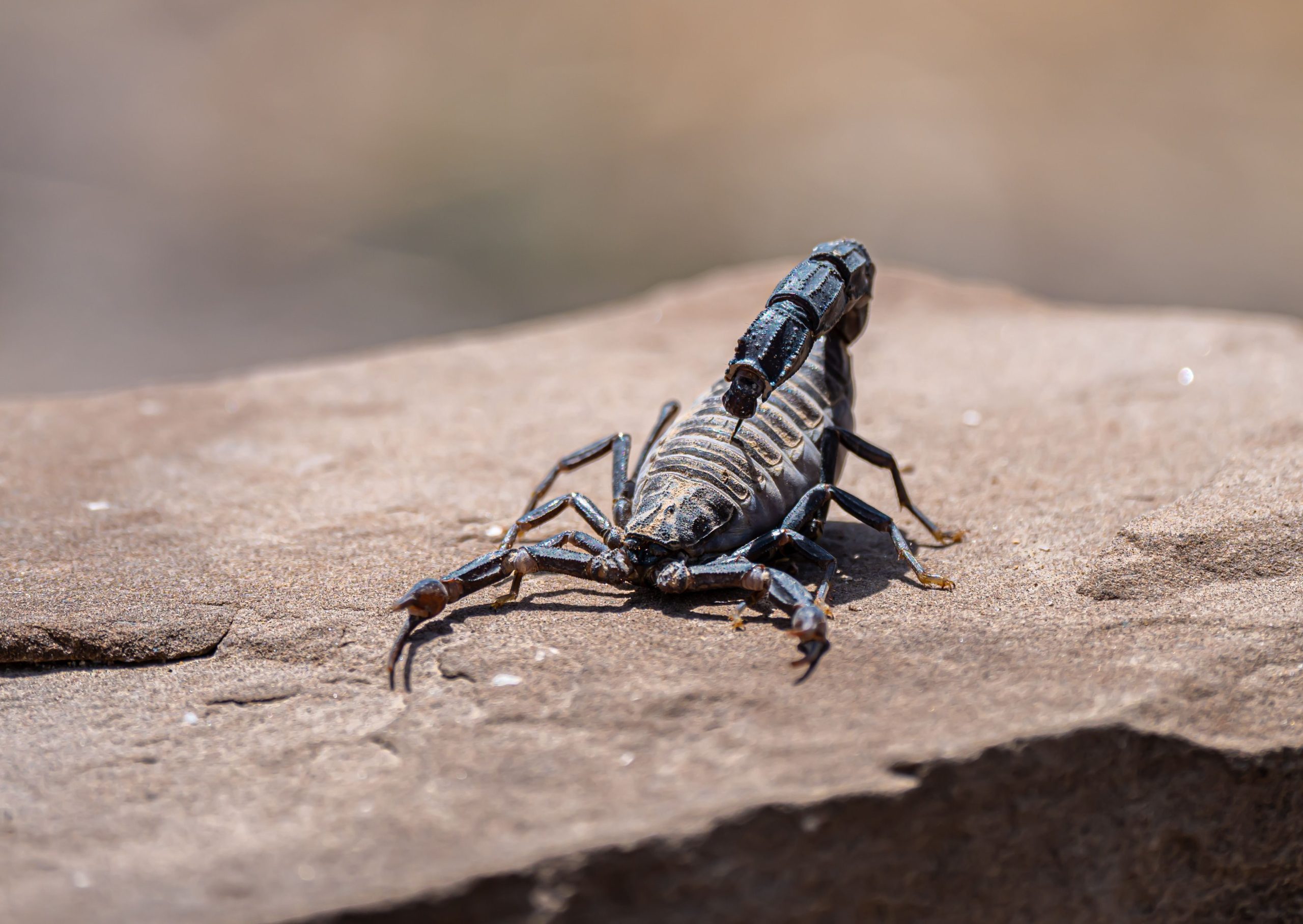
The famous curved tail of a scorpion serves as both a hunting and defense mechanism. At the end of the tail is the telson, which contains venom glands and a sharp stinger.
When threatened, a scorpion can quickly lift its tail and deliver a sting. However, many species prefer to escape rather than use their venom because producing venom requires energy.
The tail is one of the key features that makes scorpions easily recognizable among other arachnids.
11. Scorpions Do Not Always Use Venom When They Sting
A common misconception about scorpions is that every sting releases venom. In reality, many scorpions can control how much venom they use depending on the situation.
Sometimes, a scorpion may deliver a warning sting without injecting venom. This helps it save its venom supply for situations where it truly needs it, such as catching prey or defending itself from serious threats.
Producing venom requires energy, so conserving it gives scorpions an advantage in environments where food and resources may be limited.
12. Scorpions Are Mostly Active at Night
Most scorpion species are nocturnal, meaning they are more active after sunset. Night activity helps them avoid extreme daytime temperatures, especially in desert environments.
During the day, many scorpions hide under rocks, inside burrows, or in small cracks to protect themselves from heat and predators. At night, they come out to search for food and explore their surroundings.
Their nighttime lifestyle also helps them hunt insects and other small creatures that are active during cooler hours.
13. Some Scorpions Can Live for More Than 20 Years
The lifespan of a scorpion depends on its species and living conditions. While many species live for several years, some larger species can survive for more than two decades.
Factors that influence their lifespan include:
- Availability of food
- Environmental conditions
- Protection from predators
- Species characteristics
Their slow growth and metabolism contribute to their unusually long lives compared with many other small creatures.
14. Scorpions Are Skilled Predators
Scorpions are efficient hunters that feed on a variety of small animals. Their diet mainly consists of insects, spiders, and other arthropods.
Larger scorpion species may also prey on small lizards, rodents, and other small animals when the opportunity arises.
They use their pincers to grab and hold prey before using their venom to weaken it. After capturing food, scorpions consume their prey using specialized mouthparts.
15. Scorpions Shed Their Outer Shell as They Grow
Like many other arthropods, scorpions have an external skeleton called an exoskeleton. Because this hard outer layer cannot expand as their body grows, they must shed it through a process called molting.
Young scorpions molt several times before reaching adulthood. After molting, their new outer shell is soft and leaves them more vulnerable to predators.
During this period, scorpions usually remain hidden until their new exoskeleton becomes stronger.
Most Dangerous Scorpion Species in the World
Although most scorpions are not dangerous to humans, some species have stronger venom that can cause serious health problems.
| Scorpion Species | Location | Risk Level |
| Indian red scorpion | India and South Asia | High |
| Deathstalker scorpion | Middle East and North Africa | High |
| Arizona bark scorpion | Southwestern United States and Mexico | High |
| Yellow fat-tailed scorpion | Africa and the Middle East | High |
| Emperor scorpion | West Africa | Lower compared with many venomous species |
The danger of a scorpion sting depends on the species, the amount of venom injected, and the health condition of the person affected.
What Happens After a Scorpion Sting?
A scorpion sting may cause different symptoms depending on the species involved. Common reactions include:
- Sharp pain at the sting area
- Redness or swelling
- Numbness or tingling
- Muscle discomfort
More serious symptoms can include difficulty breathing, severe muscle reactions, or unusual nervous system effects. Medical attention is recommended if symptoms become severe or if the sting comes from a known dangerous species.
Avoid trying to handle a scorpion after a sting. If possible, safely identify the species to help medical professionals provide appropriate care.
Conclusion
Scorpions are among the most fascinating survivors in the natural world. Their ancient history, unique hunting methods, glowing bodies, and ability to survive harsh environments make them remarkable creatures.
These fun facts about scorpions show that, despite their venomous sting and intimidating appearance, most species are not dangerous to humans. As important predators in many ecosystems, scorpions help maintain ecological balance and continue to fascinate scientists with their incredible adaptations and millions of years of evolution.
Frequently Asked Questions (FAQs)
Q1. Are scorpions poisonous?
Scorpions are venomous, not poisonous. Venom is injected through a bite or sting, while poison usually harms when an animal is eaten or touched.
Q2. Can a scorpion kill a human?
Most scorpions cannot seriously harm humans. However, a few species have powerful venom that can become dangerous, especially for children, older adults, or people with certain health risks.
Q3. Why do scorpions glow under UV light?
Scorpions glow because their outer shell contains compounds that react to ultraviolet light. Scientists use this feature to locate and study them at night.
Q4. What do scorpions eat?
Scorpions mainly eat insects, spiders, and other small animals. Larger species may sometimes hunt small reptiles or mammals.
Q5. Where do scorpions hide during the day?
Scorpions usually hide under rocks, inside cracks, in burrows, or other protected areas to avoid heat and predators.



Latest Articles
 Health Insurance Premium Estimator: What…In Insurance
- Gonzay.com: The Complete Guide to Guest …In Digital Marketing
- Roland von Kurnatowski Sr.: Theo Von’s D…In Biography
- Why Is ORM Important? The Status Labs Ca…In Digital Marketing
- Health Insurance for First-Time Buyers: …In Technology
- Cash App Login Without App: Easy Ways to…In Technology
- Corey Mylchreest: Age, Height, Movies, G…In Biography
- How to Unlock Borrow on Cash App: 6 Thin…In Finance