

Imagine reporting for a normal workday and unknowingly stepping into history’s deadliest nuclear incident. That is what happened to Hisashi Ouchi, a Japanese nuclear technician whose fate would later redefine how the world understands radiation exposure. The Tokaimura nuclear accident was not caused by war or sabotage; it was the result of preventable human error inside a controlled industrial setting.
What followed was an unprecedented medical struggle, global attention, and long-term changes in nuclear safety standards. This is the true story behind the accident, the suffering it caused, and why it still matters today.
Table of Contents
The Nuclear Accident That Shocked the World
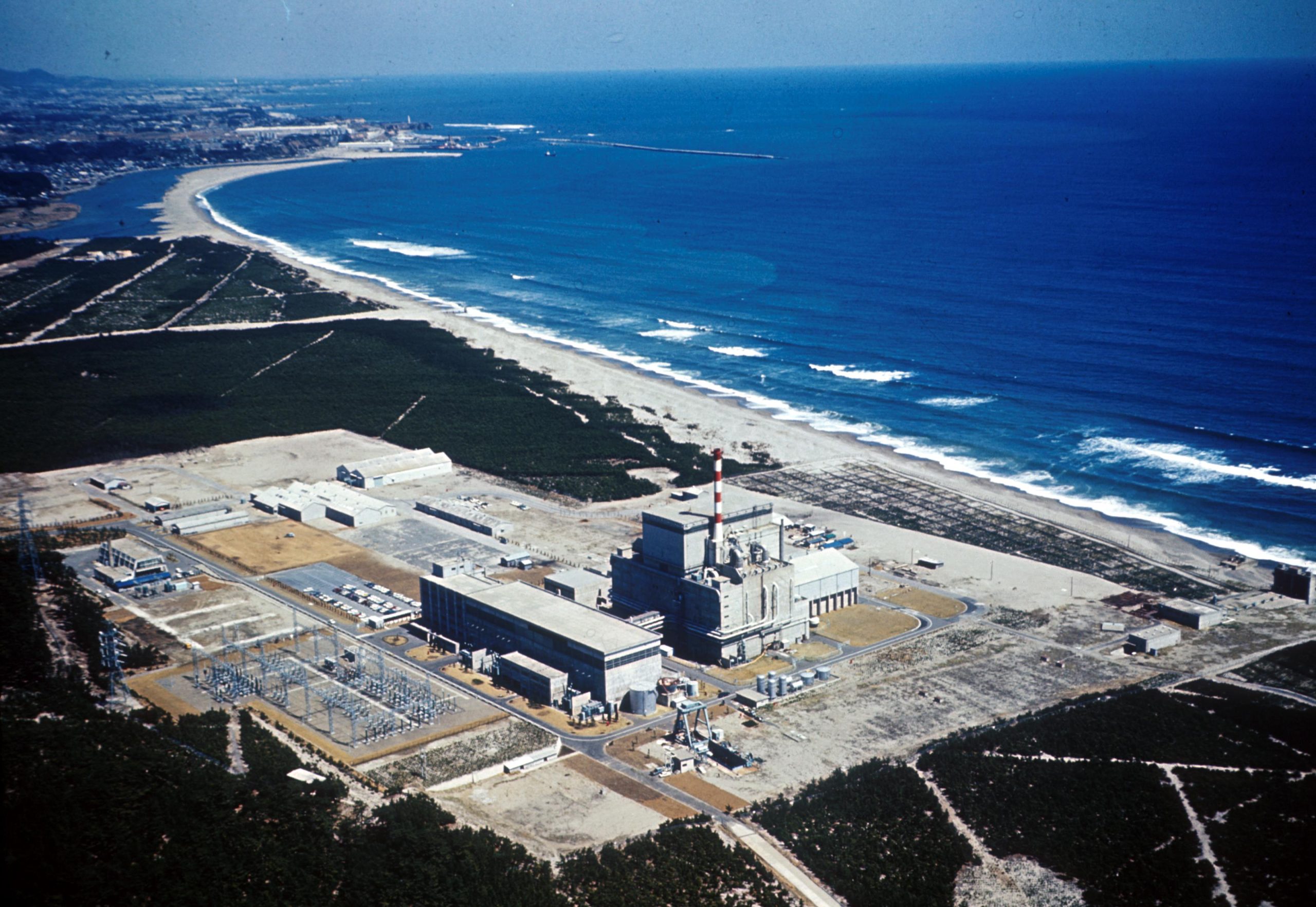
On September 30, 1999, at the JCO uranium processing facility in Tokaimura, Japan, a routine day turned into a nightmare. Workers were preparing fuel for nuclear reactors, a process that requires extreme caution. However, improper handling led to a criticality accident, a situation where uranium reached an uncontrolled chain reaction.
The accident happened because workers manually poured enriched uranium solution into a tank using buckets, bypassing safety measures and automated systems. This error caused uranium to reach critical mass, releasing a lethal amount of radiation. Those standing nearby witnessed a blue flash, a sign that the nuclear reaction had begun.
This event shocked the world because it was preventable. The Tokaimura nuclear accident exposed flaws in safety protocols, training, and oversight at the facility. It remains one of the most serious nuclear accidents in history, second only to the Chernobyl and Fukushima disasters in its impact on human lives.
The Moment Radiation Went Critical
For Hisashi Ouchi, the accident was immediate and devastating. He was one of the closest workers to the tank and absorbed the highest dose of radiation. The radiation exposure was so intense that it caused immediate burns, nausea, and collapse. Within moments, his body began suffering damage that no conventional medical treatment could fully reverse.
The event was witnessed by his colleagues, who also faced exposure, though at lower levels. The visual blue glow of the reaction became a haunting memory, symbolising the uncontrollable force of the nuclear chain reaction and marking the beginning of Ouchi’s long and painful medical battle.
Who Was Hisashi Ouchi
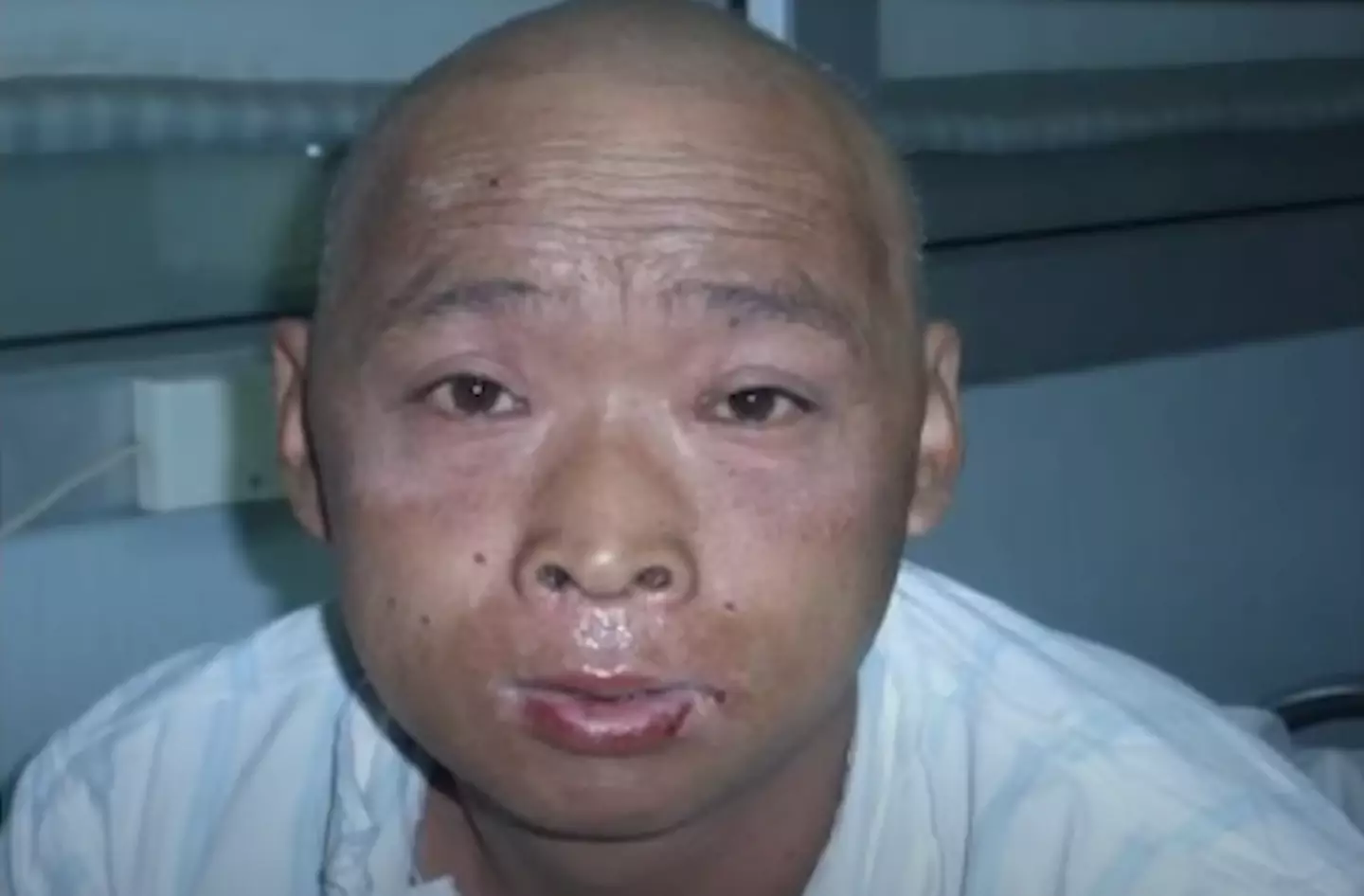
Hisashi Ouchi was a 35-year-old nuclear technician working at the JCO facility in Tokaimura. Like many workers in the nuclear industry, he was trained to follow strict procedures. However, the events of that fateful day put him in a situation that no training could have fully prepared him for. Ouchi’s proximity to the uranium solution during the criticality accident meant that he became the individual most affected by the radiation exposure.
At the moment the uranium reached critical mass, Ouchi was standing closest to the tank. The intensity of the radiation he absorbed was unlike anything recorded in modern human history. Colleagues described him as calm before the accident, unaware that a single misstep would place him in a life-threatening scenario. His exposure was immediate, and the effects were severe.
The Highest Radiation Dose Ever Recorded
Ouchi received approximately 17 sieverts of radiation, a dose far beyond the lethal threshold. To put this into perspective, even 4–5 sieverts is considered fatal for humans. The level of radiation he absorbed caused rapid cellular damage, destroying bone marrow and severely compromising his immune system. This extreme exposure placed him in a unique and tragic category—the most radioactive human in history.
This level of radiation also triggered acute radiation syndrome, which damages internal organs and tissues at a cellular level. For Ouchi, the damage was both immediate and progressive, setting the stage for a grueling medical ordeal that would last for months.
The Medical Struggle That Followed
Within hours, acute radiation syndrome began to take hold. Symptoms included vomiting, severe burns, and rapid organ damage. His white blood cell count dropped to nearly zero, leaving his body unable to fight infections or repair tissue.
Despite this, doctors attempted every possible medical intervention available at the time.Ouchi was transferred to advanced medical facilities where he underwent:
- Peripheral blood stem cell transplants
- Continuous blood transfusions
- Skin grafts and infection control measures
For weeks, he remained under constant monitoring. His condition fluctuated, but recovery never became possible. Each passing day brought new complications as internal organs continued to fail.
The 83-Day Ordeal
Hisashi ouchi remained alive for 83 days after the accident. During this time, his body endured repeated cardiac arrests, severe pain, and complete immune collapse. Medical staff faced ethical challenges regarding life support, while his family remained involved in critical decisions.
On December 21, 1999, he died due to multiple organ failure. His case became a landmark study in radiation medicine, illustrating the limits of modern healthcare against extreme nuclear exposure.
Aftermath and Impact
The Tokaimura accident was more than a personal tragedy; it became a turning point for nuclear safety worldwide. Following the incident, authorities conducted thorough investigations into the human errors and procedural failures that led to the uncontrolled chain reaction. The JCO facility faced legal consequences, and reforms were introduced to strengthen safety measures in nuclear operations.
What This Tragic Incident Meant for Nuclear Safety
The accident exposed glaring weaknesses in oversight, worker training, and emergency protocols. Companies handling nuclear materials worldwide were forced to reassess safety standards, implement stricter monitoring, and ensure that automated systems reduce human error wherever possible. It became clear that even small lapses could lead to catastrophic consequences.
The Human and Global Reactions
Hisashi Ouchi’s story captured international attention. The media coverage highlighted the human cost of nuclear mishandling, while scientists and safety experts used the case to study radiation exposure effects on the human body. Ouchi’s ordeal became a symbol of the risks faced by workers in high-stakes environments and prompted greater public awareness about nuclear safety.
Wrapping Up
Hisashi Ouchi’s story is a somber reminder of the fragile line between routine work and disaster in nuclear facilities. His tragic experience shows the devastating consequences of radiation exposure and highlights the importance of strict safety measures. While his ordeal ended in death, it sparked changes that have made nuclear environments safer for future generations.
Remembering Hisashi Ouchi is not just about the extreme nature of his radiation exposure—it’s about learning from the past and valuing the lives of those who work in high-risk industries. His story continues to resonate as a cautionary tale and a testament to human endurance under unimaginable circumstances.
Frequently Asked Questions (FAQs)
Q1. Was Hisashi Ouchi the most radioactive person ever?
A: Yes, he received one of the highest radiation doses ever recorded in a human, about 17 sieverts, far above lethal levels.
Q2. How long did Hisashi Ouchi survive after the accident?
A: Ouchi survived 83 days after exposure before succumbing to multiple organ failure.
Q3. Did any other workers survive the accident?
A: Yes, a colleague, Yutaka Yokokawa, survived with minor radiation sickness, while another worker suffered serious but non-fatal exposure.
Q4. What caused the accident?
A: The accident occurred due to improper handling and mixing of uranium fuel that bypassed critical safety protocols.
Q5. What changes were made after the incident?
A: Stricter nuclear safety regulations were implemented, including better worker training, automated safety systems, and emergency preparedness improvements.




Latest Articles
 Rs 125 Only On TheSpark Shop Batman Styl…In General
- My Best Hours Report: Productivity Track…In General
- Winkelbohrspindel Features That Make Com…In Technology
- APSBCL Retailer Login: Easy Guide For Li…In General
- Timewarp TaskUs Login, Setup, And Key Be…In Technology
- Kongotech Org Explained: A Hub For Socia…In Technology
- When Is Software Qugafaikle5.7.2 Release…In Technology
- Dsswordsmi: How It Transforms Digital Wo…In Technology