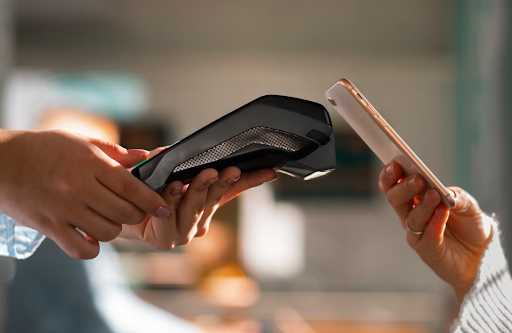
People are getting used to managing money from a phone. They check balances, pay bills, follow rewards, and move funds without visiting a branch. In the same way, on the site ogold.app users can learn how physical gold and silver connect with a digital platform, then move to the app to buy, save, spend, and manage their balance. This makes precious metals feel less like something stored far away and more like part of daily financial planning.
Why Gold Is Moving into Daily Finance
Traditional gold ownership often feels separate from normal spending. A person may buy jewelry, coins, or bars and keep them for years. That can be useful for long-term value, but it does not always fit the way people manage money today.
Digital access changes this experience. Users can buy smaller amounts, track value in real time, and keep their balance inside a wallet. This helps people treat precious metals as part of a broader financial routine, not only as a rare purchase. It also makes the first step easier. A user does not need to wait until a large amount is available. Smaller entries can support a gradual saving habit.
How Digital Gold Changes Behavior
The biggest change is visibility. When users can see the value of their gold or silver in an app, they are more likely to understand how it fits their budget. It becomes easier to compare it with other savings and decide when to add more.
Another change is liquidity. Traditional selling can take time, while digital platforms can make access to value faster. That matters when someone wants to keep part of their assets in precious metals but still needs flexibility. Several features explain why this model fits daily use:
- smaller purchases help users start without a large upfront amount;
- real-time pricing keeps the balance easier to understand;
- secure storage removes the need to handle metal personally;
- faster selling can support liquidity when needed;
- rewards and XP points make regular activity more engaging.
These tools help gold feel more practical. The asset no longer has to sit completely outside everyday decisions. A user can build a balance over time and still keep access to useful features.
Why Spending and Rewards Matter
Spending features can change how people think about stored value. With an OGold Mastercard, gold can be converted at the moment of payment where Mastercard is accepted. That reduces the need to sell manually before using the balance. Rewards also make the wallet more active. XP points, bonuses, and exclusive benefits give users another reason to return to the platform. This makes saving feel less passive and more connected to regular app use.
Conclusion
Digital gold platforms are changing money habits by making precious metals easier to start, track, and use. They do not remove the traditional value of gold. They make access to that value simpler. For users who want part of their savings in a familiar asset, OGold offers a more practical format. It brings physical gold and silver into a digital wallet with liquidity, spending tools, rewards, and services that fit everyday financial life.




Latest Articles
 How Much Working Capital Do You Need Acc…In Business
- What Does NM Mean in Text Message? Know …In Social Media
- Best Premium Laptops for Productivity &#…In Tech
- What Does ICL Mean in Texting? Meaning, …In Social Media
- What Does Igh Mean in Text? Decode This …In Social Media
- What Does GNG Mean in Texting? 2 Meaning…In Social Media
- Buying a Used Car? Your Insurance Quote …In Insurance
- TW Meaning in Chat: Why Is Everyone Usin…In Social Media