
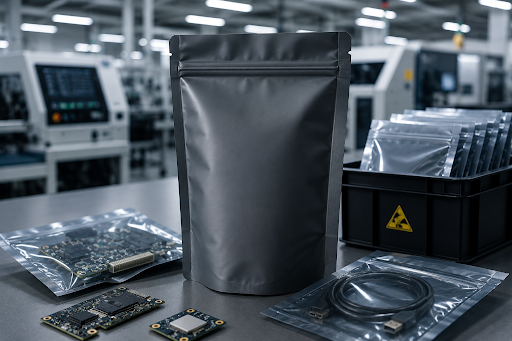
Imagine receiving a shipment of electronic components, only to find that some of them no longer work. Nothing looks obviously broken, yet performance is compromised. In many cases, this leads to delays, returns, or even warranty claims.
This kind of issue is more common than many manufacturers expect. Sensitive electronics can be affected by moisture, static discharge, or even minor impact during transit or storage. That’s why packaging isn’t just about wrapping a product, it’s about managing risk. The right solution helps prevent failures before they happen.
Companies like EONSEN Pack, custom flexible packaging manufacturer in China, have focused on solving these challenges through engineered packaging solutions. Today, modern options like flexible packaging make it easier to combine protection, durability, and efficiency in one approach.
What Makes Electronics So Easy to Damage?
Electronics don’t need extreme conditions to get damaged. In many cases, small exposures are enough to cause problems. Take static electricity, for example. A tiny electrostatic discharge that you can’t even feel can quietly damage internal components.
Then there’s moisture and humidity, which can lead to corrosion or short circuits over time. Even basic handling during shipping introduces shock and vibration, especially over long distances.
The tricky part is that damage isn’t always visible right away. A product might pass initial checks but fail later in use. So how do you know what level of protection is enough? It starts with understanding these risks early, before they turn into bigger and more expensive issues.
Start with the Basics: What Are You Actually Protecting?
Not all electronics face the same risks, which means their packaging shouldn’t be the same either. A small semiconductor chip, for instance, needs a very different level of protection compared to a large consumer device.
It really starts with understanding what you’re working with. Consider the size and shape, how fragile the components are, and how valuable the product is. High-value items often need extra layers of protection to avoid losses during transit.
At the same time, tightly packed small components may rely more on anti-static and moisture barriers than cushioning. When you look at it this way, a one-size-fits-all approach quickly falls short. The better option is packaging that’s tailored to the product itself.
Choosing the Right Materials Without Overthinking It
When it comes to protecting sensitive electronics, the materials you choose make a big difference. The good news? You don’t need to overthink it.
Start with anti-static materials, which help prevent electrostatic discharge that can quietly damage components. Then there are barrier films designed to block moisture and oxygen, reducing the risk of corrosion or internal failure. For physical protection, cushioning layers help absorb shock and minimize movement during transit.
For example, circuit boards are often packed in anti-static barrier bags that also provide moisture protection. This combination helps reduce multiple risks at once.
This is where flexible packaging really stands out. It’s lightweight, adaptable, and can combine multiple protective functions in one structure. A single flexible packaging solution can offer moisture resistance, anti-static properties, and durability at the same time. It also helps save space during storage and shipping, which improves overall efficiency.
For manufacturers handling high volumes or complex products, this kind of flexibility makes a real difference. Many experienced suppliers, including EONSEN Pack, apply this approach to balance protection and efficiency without overcomplicating the process.
Don’t Overlook Design and Structure
It’s easy to focus on materials, but packaging design and structure matter just as much. Even the best materials can fall short if the structure isn’t right.
Sealing methods, for example, need to be reliable enough to keep out moisture and air. At the same time, the internal fit should prevent products from shifting during transit, which can lead to damage over time.
Multi-layer designs add another level of protection by combining different functions into one solution. This is where flexible packaging becomes especially useful. It allows manufacturers to customize shapes, layer combinations, and features based on specific product needs.
The result is better control over how the product is protected. With the right structure, you reduce movement, improve durability, and maintain consistent protection throughout the entire journey.
Testing and Quality Checks: Where Many Get It Wrong
Testing is where packaging decisions either hold up or fall apart. It’s one thing to choose materials and design, but it’s another to see how they perform in real conditions.
Simple tests like drop testing can show how well packaging handles impact, while environmental testing checks resistance to humidity and temperature changes. For example, a package that performs well in a controlled setting might still fail during long-distance shipping with multiple handling points.
A common mistake is skipping validation altogether. Some manufacturers rely on assumptions instead of actual testing. Another issue is ignoring real shipping conditions, such as extended transit times or rough handling.
Keeping it simple, always test packaging in conditions that closely match real-world use. It’s a small step that helps avoid much bigger problems later.
Focus on Protection, Not Just Cost
It’s tempting to focus on cost when choosing packaging, especially at scale. But when it comes to sensitive electronics, the real question is risk.
A cheaper option might save money upfront, but it can lead to product failures, returns, or even rejected shipments. That’s why packaging should be seen as an investment in quality and reliability. The goal isn’t to spend more, but to spend wisely.
In the end, the right packaging doesn’t just protect your product, it protects your entire operation. Many manufacturers working with partners like EONSEN Pack recognize that getting packaging right early helps avoid much bigger losses later on.




Latest Articles
 What Does Igh Mean in Text? Decode This …In Social Media
- What Does GNG Mean in Texting? 2 Meaning…In Social Media
- Buying a Used Car? Your Insurance Quote …In Insurance
- TW Meaning in Chat: Why Is Everyone Usin…In Social Media
- What Does WYFF Mean? Slang Meaning, Text…In Social Media
- Health Insurance Premium Estimator: What…In Insurance
- Gonzay.com: The Complete Guide to Guest …In Digital Marketing
- Roland von Kurnatowski Sr.: Theo Von’s D…In Biography