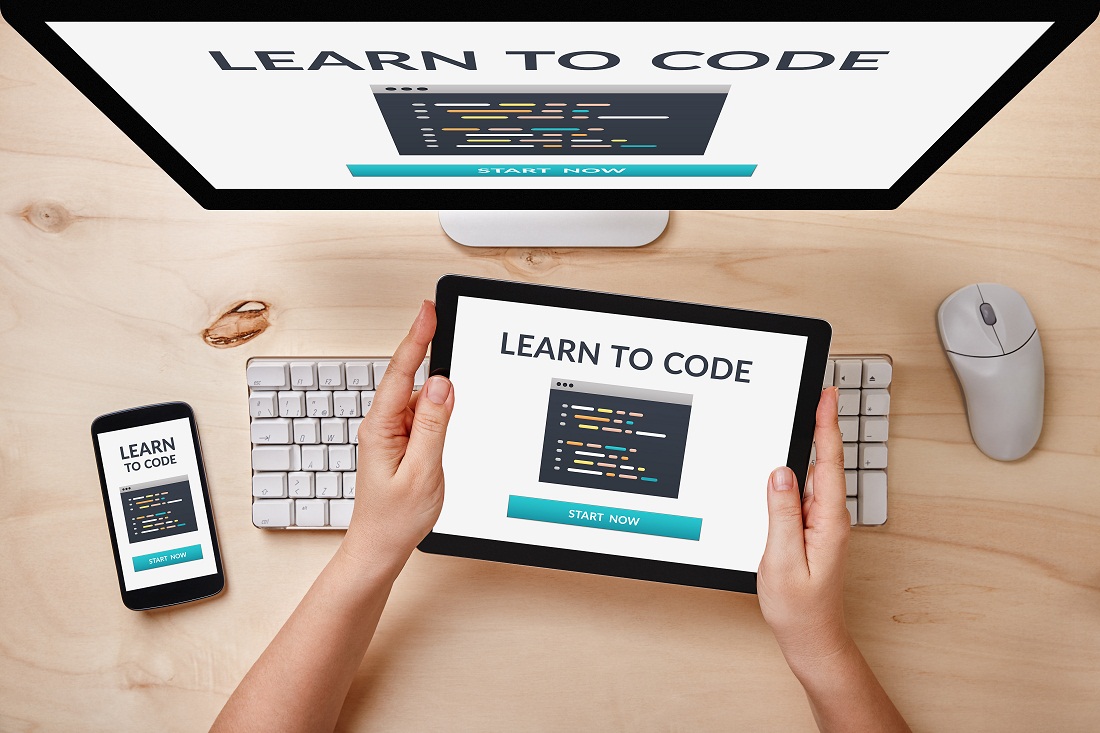
Taking a new path in life is hopeful and exciting, but it is not without self-doubt. Similarly, when you decide to walk this innovative path to learn coding, you will feel like giving up in certain instances. But you are not alone. Beginners and even experts often share this sentiment.
And that is what we call “imposter syndrome” in coding, a psychological challenge where you feel like “not enough” despite your efforts. This article explains what imposter syndrome is and why it’s rampant in the tech industry, with actionable strategies to build confidence in coding. Beyond technicalities, let’s dive straight into the psychological side of the coding world.
What is imposter syndrome, and why is it common in tech?
This psychological phenomenon was first given a name in the 1970s by psychologists Pauline Clance and Suzanne Imes. According to the textbook definition, imposter syndrome often affects high-achievers who doubt their skills and have a constant underlying fear of being exposed as incompetent. In the technical world, it’s particularly intense due to several variables, including:
- Rapid evolution: Constant introduction of new programming languages, frameworks, and tools makes it easy to feel behind.
- Comparison culture: Beginners often compare themselves to expert programmers on platforms like GitHub or LinkedIn, escalating insecurities.
- High stakes: Increasing emphasis on innovation can make minor mistakes feel like failures rather than learning opportunities.
- Diverse backgrounds: Those with diverse backgrounds, like self-taught coders or career-switchers, often lack formal credentials, fueling self-doubt.
These factors lay the groundwork for imposter syndrome in coding. Understandably, learning to code for beginners is more stressful, and mastering complex concepts can be overwhelming. Yet, it is not a sign of failure; rather, it’s a sign you’re pushing your limits.
Recognizing the signs of imposter syndrome
One way to effectively overcome imposter syndrome is by identifying its symptoms early. Here are common signs to watch for:
- Attributing success to luck: Even when writing a working code, you would think that it is a fluke, not your actual skill.
- Perfectionism: You overwork even the simplest tasks to avoid criticism or procrastinate out of fear of failure.
- Feeling like an outsider: You believe that you are the only one struggling with coding, while others are naturally effortless.
- Avoiding questions: You often isolate yourself and hesitate to ask for help from peers or through forums, not wanting to appear stupid.
- Physical anxiety: You feel extra nervous before coding sessions or tend to compare yourself to peers.
These patterns are usually common among beginners, especially CS students. Since you wouldn’t want to disrupt your progress, spotting these signs early is helpful.
Strategies for building confidence
To build confidence in coding, you need constant practice, hands-on learning, and mindset-shifting strategies. Here’s how you can start:
- Reframe your mindset: While you might acknowledge imposter feelings, don’t let them define you. Instead, write a journal of your small accomplishments as a reminder; this can be like fixing a bug or understanding a loop.
- Set realistic goals: Break down complex coding tasks into manageable steps, like completing a function.
- See failure as feedback: You cannot write efficient code in one go. So, when you face bugs, view them as learning opportunities. Each error you fix sharpens your skills.
- Seek mentorship: Schedule your programming lessons with collective learning from experienced coders and receive real-time guidance.
- Curate your social feed: Follow inspiring, realistic coder stories on platforms like X, avoiding toxic comparisons.
Being diligent with these habits will transform your doubt into resilience. Over time, you’ll see progress, not perfection, as the goal.
The importance of a supportive community
Imposter syndrome is widely seen among self-learners. This is why being in touch with a supportive community matters:
- Shared experiences: You can read about peer coders and their experiences (self-doubt phase) on forums like Reddit’s r/learnprogramming.
- Validation and advice: Coder communities are supportive of each other, offering tips and reassurance, turning struggles into collective growth.
- Accountability: Group projects or learning with study buddies keep you motivated and on track.
- Safe spaces: Be it local meetups or online communities, they are environments where you can ask questions without judgment.
So, how can you engage in them?
- Join online forums: Participate in r/learnprogramming or Discord coding groups.
- Attend meetups: Attend local or virtual coding meetups to connect with peers who face similar challenges.
- Share publicly: Post your coding accomplishments or challenges on GitHub to invite feedback; this fosters resilience and visibility.
How a structured learning path can reduce anxiety
Self-directed learning is often chaotic, which intensifies imposter syndrome in coding. Thanks to a structured learning path, this issue can be controlled, offering clarity and progress to build confidence in coding. So, here’s how it helps:
- Clear goals: A structured roadmap from variables to algorithms reduces anxiety. You know where to start, as your end goal is set.
- Progressive learning: This framework enhances skills steadily, not with forced pressure.
- Measurable progress: Completing lessons or projects provides tangible proof of growth.
- Guided support: Platforms like AlgoCademy offer interactive tutorials, video explanations, and community forums personalized for beginners.
Most structured curriculum starts with the basics of coding, followed by intermediate steps, and then advanced challenges. This progressive approach minimizes frustration, as you solve problems step-by-step with clear feedback. Instead of trial-and-error chaos, you gain competence and confidence.
Final thoughts
You cannot overcome imposter syndrome in coding immediately; it is a journey of persistence and perspective. It is acceptable for beginners in coding to have self-doubt about their skills. It is only by acknowledging what you lack that you can build your confidence along the way, be self-assured, and reach your end goal. The tech world is vast. So, embrace the learning process, celebrate small wins, and keep coding without giving up.




Latest Articles
 What Does Igh Mean in Text? Decode This …In Social Media
- What Does GNG Mean in Texting? 2 Meaning…In Social Media
- Buying a Used Car? Your Insurance Quote …In Insurance
- TW Meaning in Chat: Why Is Everyone Usin…In Social Media
- What Does WYFF Mean? Slang Meaning, Text…In Social Media
- Health Insurance Premium Estimator: What…In Insurance
- Gonzay.com: The Complete Guide to Guest …In Digital Marketing
- Roland von Kurnatowski Sr.: Theo Von’s D…In Biography