
Precision Smile Enhancement Using Advanced Porcelain Dental Techniques
varsha February 5, 2026 0 COMMENTS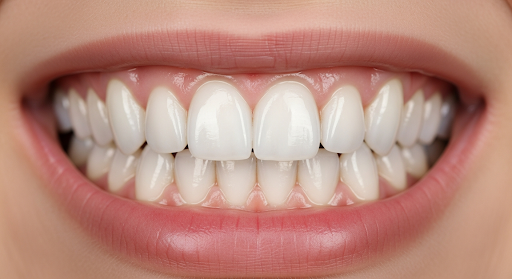
The pursuit of facial balance and dental harmony has pushed aesthetic dentistry into a highly technical domain, where precision now matters as much as appearance. Modern smile enhancement is no longer driven by surface-level corrections but by carefully engineered restorations that respect tooth structure, facial symmetry, and long-term oral health. This shift reflects a broader medical mindset that blends aesthetics with function.
As patient expectations have evolved, so have the materials, diagnostic tools, and clinical protocols used to design refined smiles. Advanced porcelain systems, digital imaging, and conservative preparation techniques allow clinicians to correct discoloration, spacing, and minor misalignment while preserving natural tooth integrity. Within this context, cosmetic veneers have become one of the most studied and method-driven solutions in contemporary dental care.
Table of Contents
The Clinical Foundations of Porcelain-Based Smile Enhancement
Porcelain restorations are grounded in material science as much as artistry. High-grade dental ceramics are engineered to mimic enamel translucency, light diffusion, and surface texture, ensuring restorations integrate seamlessly with natural dentition. Their durability and stain resistance make them suitable for long-term aesthetic correction when applied under strict clinical protocols.
Equally important is the diagnostic phase preceding treatment. Bite analysis, facial proportion assessment, and digital smile simulations help determine whether porcelain enhancement is appropriate. When used judiciously, porcelain techniques address aesthetic concerns without compromising occlusion or tooth vitality, aligning cosmetic goals with functional stability.
Minimally Invasive Techniques and Tooth Preservation
Modern aesthetic dentistry prioritizes conservation over aggressive alteration. Contemporary porcelain methods often require minimal enamel reduction, preserving the biological strength of the tooth. This approach reduces post-treatment sensitivity and supports long-term oral health outcomes.
Advancements in bonding technology play a critical role here. High-strength adhesive systems allow thinner ceramic layers to be securely placed, reducing the need for extensive reshaping. The result is a balance between visual refinement and structural responsibility, which is central to ethical cosmetic dental practice.
Digital Smile Analysis and Treatment Planning
Digital diagnostics have transformed how aesthetic treatments are planned. High-resolution scans and smile design software enable clinicians to visualize outcomes before any physical alteration occurs. This predictive modeling improves accuracy and patient understanding.
By simulating tooth shape, alignment, and color within facial context, digital planning reduces guesswork. It also allows for interdisciplinary collaboration when needed, ensuring restorations align with orthodontic or restorative considerations.
Material Selection and Ceramic Layering
Not all porcelain systems behave the same under light or stress. Feldspathic ceramics, lithium disilicate, and other advanced materials offer varying strengths and optical properties. Selecting the appropriate material depends on bite forces, aesthetic goals, and tooth position.
Layering techniques further refine outcomes. Skilled ceramic application creates depth and natural variation, preventing the flat or opaque appearance associated with older cosmetic methods. This craftsmanship-driven approach elevates both durability and realism.
Long-Term Maintenance Considerations
Porcelain enhancements require structured aftercare to maintain their integrity. While ceramics resist staining, surrounding natural teeth and gums still demand consistent hygiene and professional monitoring.
Patients are advised to avoid habits that introduce excessive force, such as grinding or biting hard objects. Regular evaluations ensure bonding stability and allow early detection of wear, preserving both function and aesthetics over time.
Functional Integration Within Smile Design
Aesthetic correction cannot exist independently of function. Porcelain-based enhancements must harmonize with jaw movement, bite alignment, and speech patterns. Failure to account for these elements can result in discomfort or premature material failure.
Functional integration involves analyzing occlusal dynamics and ensuring restorations distribute forces evenly. When aesthetics and biomechanics are aligned, smile enhancement supports everyday oral function rather than disrupting it.
Occlusal Balance and Bite Stability
Even minor changes to tooth surfaces can influence bite mechanics. Careful calibration ensures restorations do not interfere with natural jaw movement or create pressure points.
Occlusal assessments before and after placement confirm stability. This attention to detail distinguishes advanced aesthetic dentistry from purely cosmetic interventions.
Facial Proportion and Smile Symmetry
Teeth do not exist in isolation. Their proportions must align with lip movement, facial midline, and overall expression. Smile symmetry is evaluated dynamically, not just at rest.
By accounting for facial anatomy, clinicians design outcomes that appear natural in conversation and expression. This holistic perspective enhances authenticity and patient satisfaction.
Patient-Specific Customization
No two smiles share identical structural or aesthetic needs. Customization involves tailoring tooth shape, shade, and contour to individual characteristics rather than applying standardized templates.
This personalized approach reduces the risk of artificial-looking results. It also reinforces the principle that aesthetic dentistry is a medical discipline informed by anatomy and biomechanics.
Ethical Boundaries in Aesthetic Dental Care
With increasing demand for cosmetic procedures, ethical considerations have become central to clinical decision-making. Not every aesthetic concern warrants porcelain intervention, particularly when conservative alternatives exist.
Responsible practitioners prioritize patient education and informed consent. They evaluate psychological expectations alongside clinical indicators, ensuring enhancements serve genuine functional or aesthetic improvement rather than unnecessary alteration.
Advances in Clinical Standards and Regulation
The global expansion of aesthetic dentistry has led to more structured clinical standards. Evidence-based protocols now guide case selection, preparation depth, and bonding techniques.
Ongoing professional training ensures clinicians remain aligned with evolving materials and methodologies. This commitment to standards safeguards patient outcomes and elevates the credibility of cosmetic dental care.
Final Thoughts: Regional Expertise and Patient Access
Advanced smile enhancement reflects a convergence of medical science, technology, and aesthetic judgment. When delivered within regulated clinical environments, porcelain-based techniques offer predictable, long-lasting outcomes rooted in precision and restraint.
In regions with advanced healthcare infrastructure and multidisciplinary medical centers, access to such care continues to expand. Facilities like Queens Elite Medical operate within this landscape, offering structured dental services alongside broader medical specialties. As interest in cosmetic veneers in Dubai grows, informed patients increasingly seek care that balances aesthetics with long-term oral health, guided by clinical rigor rather than trends.




Latest Articles
 Rs 125 Only On TheSpark Shop Batman Styl…In General
- My Best Hours Report: Productivity Track…In General
- Winkelbohrspindel Features That Make Com…In Technology
- APSBCL Retailer Login: Easy Guide For Li…In General
- Timewarp TaskUs Login, Setup, And Key Be…In Technology
- Kongotech Org Explained: A Hub For Socia…In Technology
- When Is Software Qugafaikle5.7.2 Release…In Technology
- Dsswordsmi: How It Transforms Digital Wo…In Technology