Effortless Material Handling Solutions: Forklift Rental in Denver
varsha November 4, 2025 0 COMMENTS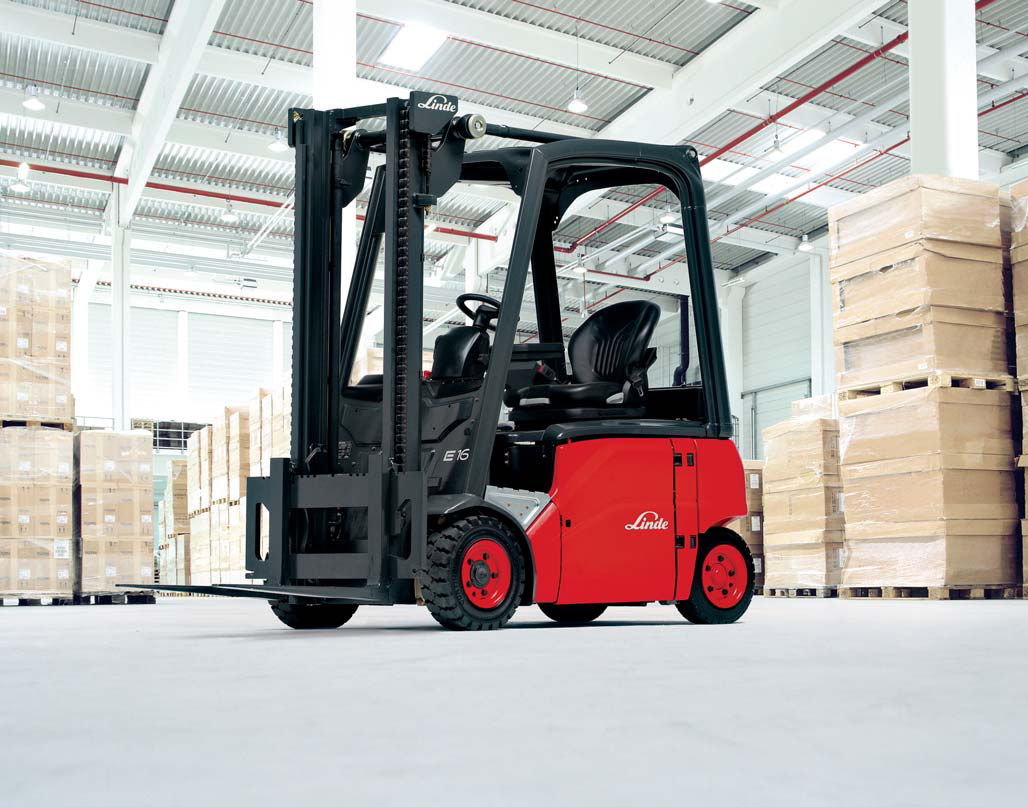
Efficient material handling is at the heart of every successful warehouse, construction site, and logistics operation. For many businesses, forklifts are essential for keeping operations running smoothly, yet purchasing one outright can be a major investment. Forklift rental in Denver offers a smarter, more flexible alternative that combines affordability, reliability, and convenience. Whether you are managing seasonal demand, tackling a short-term project, or testing out equipment before purchase, renting a forklift allows you to stay agile while keeping costs under control.
Table of Contents
Understanding Forklift Rentals: Why Choose Rental Over Purchase
The Financially Smart Choice: Cost Efficiency and Flexibility
When deciding between renting or purchasing equipment, cost is often the first factor to consider. Forklift rental in Denver presents a highly economical solution for businesses of all sizes. Buying a forklift can cost tens of thousands of dollars upfront, not including ongoing expenses such as insurance, maintenance, and storage. Rental options eliminate these high initial costs, giving businesses immediate access to modern, high-quality equipment at a fraction of the price.
Renting also reduces the burden of depreciation. Unlike purchased machinery, rental forklifts do not lose value over time. You can use top-of-the-line equipment without worrying about its resale value or obsolescence. Rental payments can often be classified as operational expenses, which may provide additional tax benefits.
For many companies, this approach frees up capital that can be redirected toward other essential areas like expansion, staff training, or technology upgrades. In short, forklift rental offers both short-term savings and long-term financial flexibility that can strengthen your business strategy.
Adapting to Seasonal and Project-Based Demands
Another advantage of forklift rental is its adaptability. Many Denver industries such as construction, logistics, retail, and manufacturing experience fluctuating workloads throughout the year. Forklift rental in Denver allows you to adjust your fleet size based on demand.
For example, a construction company might require several forklifts during the busy summer months but far fewer in winter. Renting allows you to scale up or down without committing to year-round ownership costs.
This flexibility extends beyond quantity to include the specific type of forklift you need. From compact electric models for indoor warehouses to heavy-duty diesel forklifts for outdoor construction sites, you can choose the perfect machine for each project. The ability to quickly switch between equipment types enhances productivity, minimizes downtime, and keeps operations efficient no matter the circumstances.
Maintenance-Free Operations: Less Stress, More Productivity
Maintaining heavy machinery requires time, money, and expertise. Forklift rental removes that responsibility entirely. Rental companies typically handle all maintenance, inspections, and repairs, ensuring the equipment is always in excellent working condition.
This arrangement not only saves time but also provides peace of mind. Businesses can rely on forklifts that meet safety standards and are equipped with the latest technology. Regular maintenance by the rental provider reduces the risk of breakdowns, ensuring smoother operations and fewer delays.
By outsourcing equipment care, you can focus more on your core business activities and less on mechanical upkeep. The result is a cleaner, simpler, and more efficient approach to material handling.
Types of Forklifts Available for Rent in Denver
Electric vs. Diesel: Choosing the Right Fit
When selecting a forklift, understanding your specific work environment is key. Electric forklifts are ideal for indoor use in warehouses and distribution centers. They operate quietly, produce zero emissions, and are easy to maneuver in confined spaces. With advancements in battery technology, modern electric forklifts offer longer runtimes and quicker charging capabilities, making them efficient and environmentally friendly options.
Diesel forklifts, on the other hand, are better suited for outdoor or heavy-duty tasks. They provide greater power and lifting capacity, making them perfect for construction sites or yards with uneven terrain. Diesel engines are durable and can handle larger loads over extended periods, offering unmatched performance in demanding environments.
By evaluating your operational needs such as workload intensity, environment, and runtime, you can determine which type of forklift will deliver the best results for your business.
Specialty Forklifts: Tailored Solutions for Unique Needs
Not every job can be accomplished with a standard forklift. Denver’s diverse industries often require specialized equipment designed for specific challenges.
For example, narrow aisle forklifts are perfect for warehouses with limited space, while reach trucks allow operators to access high shelving efficiently. Rough terrain forklifts are essential for outdoor environments with uneven ground.
Certain sectors, such as food processing or chemical handling, require forklifts with advanced safety features. Explosion-proof forklifts ensure safe operation in hazardous settings, while refrigerated forklifts are designed for temperature-controlled environments.
By choosing the right specialty equipment, businesses can address unique operational requirements with precision and safety, boosting both productivity and confidence in their handling processes.
Heavy-Duty Forklifts: Power and Precision Combined
Some industries demand serious lifting power. Heavy-duty forklifts are designed for these situations, offering exceptional strength and stability for moving large or bulky loads. Commonly used in shipping yards, ports, and manufacturing plants, these forklifts can lift several tons with ease.
Despite their size, many modern heavy-duty forklifts feature advanced control systems that allow for smooth and precise operation. Enhanced visibility, load sensors, and safety features such as rollover protection make them both powerful and safe to use.
For Denver companies that handle heavy materials regularly, these forklifts provide the muscle needed to move goods efficiently while maintaining safety and control.
Choosing the Right Forklift Rental Company in Denver
Evaluating Services: What Makes a Provider Stand Out
With the growing number of rental options in Denver, selecting the right provider is critical. Look for a company that offers more than just equipment. The best rental companies provide full-service support, including maintenance, operator training, and technical assistance.
A diverse fleet is another indicator of a quality provider. Choose a company that offers both standard and specialty forklifts, ensuring they can meet your specific needs. Additionally, strong customer service is a must. A responsive, knowledgeable team can make a huge difference when questions or challenges arise during your rental period.
Top providers take the time to understand your operation and recommend the right equipment for your goals. This partnership approach helps maximize efficiency and minimizes risk, making your rental experience smoother and more productive.
The Value of Customer Reviews and Testimonials
Customer feedback is one of the best ways to gauge a rental company’s reputation. Look for testimonials and online reviews that highlight responsiveness, equipment quality, and overall reliability. Positive experiences from other businesses can offer valuable insight into how a company operates under real-world conditions.
If possible, ask the rental provider for references or case studies that demonstrate their success in handling similar projects. Reliable companies will be transparent about their track record and eager to share examples of satisfied customers.
Checking reviews on platforms like Google or the Better Business Bureau can also help you identify consistent strengths or recurring issues to watch out for.
Understanding Rental Agreements for Peace of Mind
Before signing any rental contract, take the time to read and understand the terms. Make sure the agreement clearly outlines rental rates, payment schedules, and duration. Look for details about maintenance responsibilities, late fees, or penalties for exceeding usage limits.
Ask about insurance coverage and liability in case of accidents or damage. Reputable companies will walk you through these details to ensure full transparency. Having a clear understanding of your responsibilities prevents misunderstandings and helps you plan your operations effectively.
A well-structured rental agreement not only protects both parties but also builds trust between your business and the provider, setting the stage for a long-term partnership.
Best Practices for Using Forklift Rentals Effectively
Prioritizing Safety for People and Equipment
Safety should always be a top priority when operating any type of forklift. Conduct a thorough site assessment to identify potential hazards, and make sure your operators are trained on the specific equipment they will be using.
All forklifts should be equipped with functioning safety features such as seat belts, horns, and backup alarms. Encourage workers to communicate openly about safety concerns and report issues immediately.
Regular inspections and adherence to OSHA standards will keep both your staff and equipment protected, creating a safe and productive work environment.
Training and Operator Competence
Even the best forklifts perform poorly in untrained hands. Comprehensive operator training ensures your team knows how to handle the machinery safely and efficiently. Training should include both classroom instruction and hands-on experience to cover load handling, maneuvering, and safety procedures.
Ongoing refresher courses help maintain skills and keep employees informed about new technologies and techniques. By investing in your team’s competence, you not only reduce the risk of accidents but also increase productivity and overall efficiency.
Strategic Planning for Maximum Efficiency
Effective planning is essential for getting the most out of your forklift rentals. Before bringing equipment onsite, outline your operational needs, the number of forklifts required, and the duration of use. Assign forklifts strategically to specific areas or projects to avoid idle time and overlap.
Monitor performance regularly and evaluate how the rentals are contributing to your workflow. Adjusting your approach based on performance data can help optimize future rentals, making your material handling process even more efficient.
Final Thoughts
Forklift rental in Denver offers businesses a practical and flexible solution for their material handling needs. From reducing costs to improving operational agility, renting provides a wide range of benefits that ownership simply cannot match. With options suited to every industry and workload, Denver businesses can confidently meet their material handling demands while maintaining efficiency and control.
By choosing the right equipment, partnering with a trusted rental provider, and emphasizing safety and training, your company can streamline operations and stay ahead in a competitive market. Forklift rental in Denver is not just a short-term fix; it is a long-term strategy for smarter, more efficient business growth.


Latest Articles
 Rs 125 Only On TheSpark Shop Batman Styl…In General
- My Best Hours Report: Productivity Track…In General
- Winkelbohrspindel Features That Make Com…In Technology
- APSBCL Retailer Login: Easy Guide For Li…In General
- Timewarp TaskUs Login, Setup, And Key Be…In Technology
- Kongotech Org Explained: A Hub For Socia…In Technology
- When Is Software Qugafaikle5.7.2 Release…In Technology
- Dsswordsmi: How It Transforms Digital Wo…In Technology