
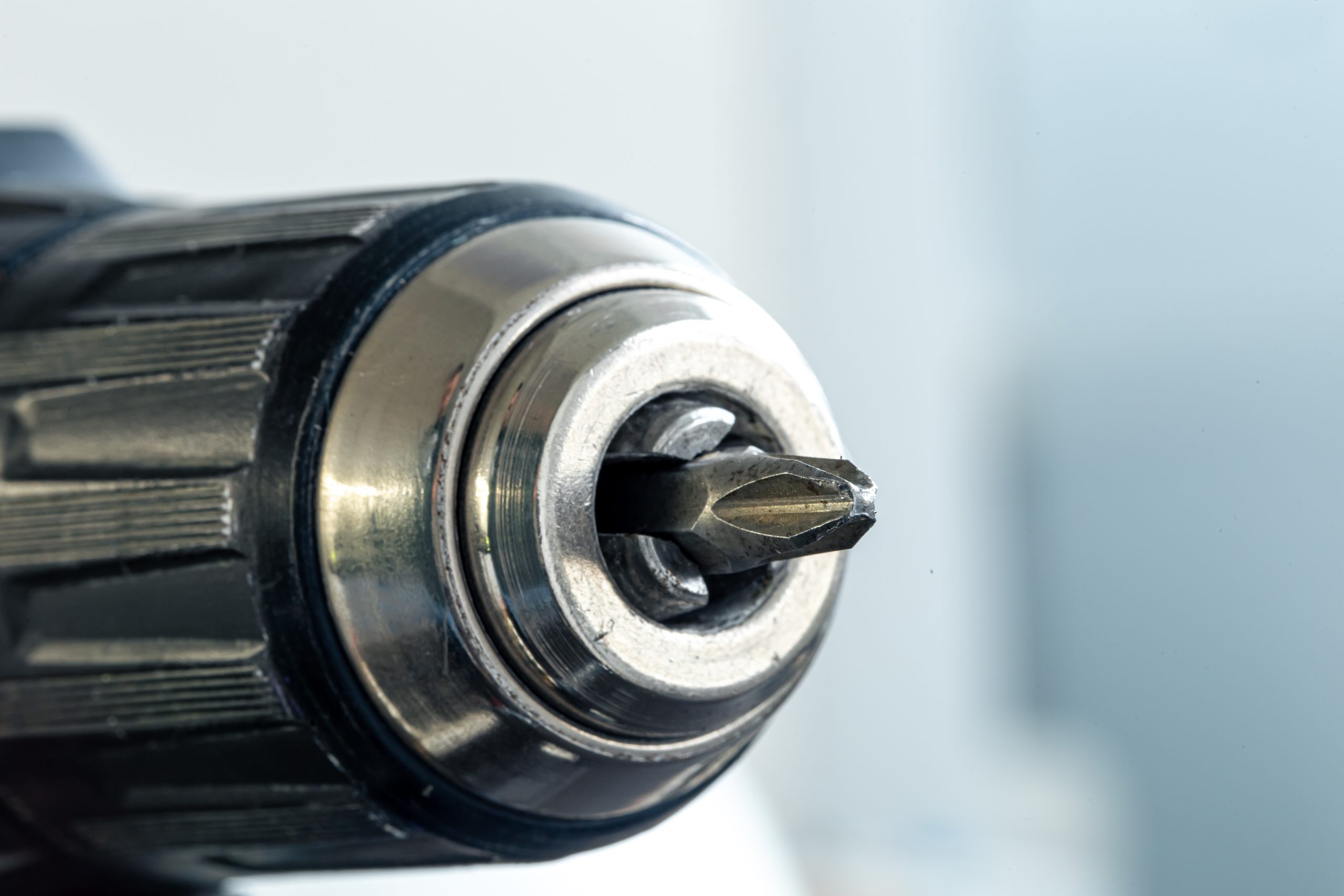
In modern machining, access often decides how smooth your workday will be. You may have the right CNC machine, the right cutting tools, and a solid setup, yet certain drilling points remain out of reach. Side walls, inner corners, and recessed faces can turn a simple operation into a time-consuming task. This is where a winkelbohrspindel becomes a practical addition to your workshop.
Instead of changing fixtures again and again, you can approach angled surfaces directly. This means fewer interruptions, more stable positioning of the workpiece, and better consistency across multiple parts. Whether you handle metal fabrication, CNC milling, or precision machining, an angle drilling spindle can help you work with more control and fewer compromises.
Table of Contents
Understanding Winkelbohrspindel and Its Role in Machining
A Winkelbohrspindel is an angle drilling spindle that redirects rotational motion from your machine spindle to a different direction, usually at 90 degrees. In simple terms, it allows you to drill or tap sideways without turning the workpiece. This small change in direction has a large effect on how efficiently you can complete complex machining tasks.
In CNC machining, side drilling attachments are widely used when parts include features on multiple faces. Instead of repositioning the component for each operation, you can keep it fixed and carry out angled drilling. This reduces setup errors and saves machining time. In manual milling setups, angle heads also provide a way to reach surfaces that standard spindles cannot access easily.
Angle drilling spindles are not limited to metalworking. They are also used in woodworking, mold and die manufacturing, and industrial maintenance work. Wherever access is restricted and accuracy still matters, an angle head attachment offers a reliable option.
How an Angle Drilling Spindle Works
The working principle of an angle drilling spindle is based on internal gear transmission. When your machine spindle rotates, the input shaft of the angle head receives this motion. Inside the housing, bevel gears change the direction of rotation and pass it to the output spindle where the cutting tool is mounted.
This gear-driven transfer must remain precise under load. Any misalignment or wear inside the gears can lead to vibration, tool chatter, and uneven hole quality. For this reason, well-built angle heads use precision-cut gears, hardened shafts, and stable bearing systems. These elements work together to maintain smooth rotation even when drilling into harder materials such as steel or cast iron.
Heat management is another factor. In continuous operations, friction inside the gear system can generate heat. Many industrial angle heads are designed with lubrication channels, and some models support internal coolant delivery. This helps with temperature control and chip evacuation, especially during longer machining cycles.

The design of an angle drilling attachment plays a major role in how smoothly and accurately it performs. Strong construction, precise gearing, and proper support parts work together to keep cutting stable and reliable.
Outer Housing
The outer housing protects the internal parts of the angle drilling attachment. A rigid housing helps reduce vibration and keeps alignment stable during cutting, which directly supports better drilling accuracy, especially in precision machining tasks.
Gear System
Inside the housing, the gear system redirects power from the main spindle to the cutting tool. This controlled transfer of rotation allows angled drilling without changing the position of the workpiece. Gear quality plays a major role in smooth operation and long service life.
Bearings and Shaft Support
Bearings support the rotating shafts and keep movement stable under load. Proper bearing support reduces friction, limits vibration, and helps maintain smooth tool rotation during operation, even at higher speeds.
Tool Holder and Coolant Support
On the output side, the tool holder secures drill bits, taps, or small milling tools. Some angle heads also support internal coolant flow, which improves chip removal and helps control temperature during longer machining cycles.
Mounting Interface
The mounting interface connects the angle head to the machine spindle. A precise fit ensures stable power transfer and prevents misalignment during operation. Compatibility with common CNC spindle tapers and tool holders is important for easy installation.
Sealing and Protection
Seals help protect internal gears and bearings from dust, chips, and coolant. Good sealing reduces contamination and extends the service life of the angle drilling attachment, especially in harsh shop environments.
Balance and Weight Distribution
Proper balance and weight distribution help minimize vibration during rotation. A well-balanced design improves tool stability and reduces strain on the machine spindle, which supports smoother cutting and better surface finish.
Types of Angle Drilling Spindles
Angle drilling spindles come in different designs to match specific machining needs. Choosing the right type depends on your material, cutting load, and the kind of access your job requires.
Fixed-Angle Spindles
Fixed-angle models, usually set at 90 degrees, are widely used in production work where the same angled operation is repeated. They are simple to mount and reliable for routine machining tasks.
Adjustable Angle Spindles
Adjustable models allow you to change the drilling angle based on the job. This added flexibility is useful in custom machining, though it requires careful setup to maintain proper alignment and accuracy.
High-Speed Angle Spindles
High-speed models are designed for fine drilling and small tools. They are commonly used for precision parts where clean holes and smooth finishes matter.
Heavy-Duty Angle Spindles
Heavy-duty versions focus on higher torque and are better suited for tougher materials and larger hole sizes. They are often used in industrial machining where strength and durability are more important than speed.
Got it! Here’s a much smoother, professional, and highly readable version of the “Advantages and Limitations” section, keeping it concise, humanized, and SEO-friendly:
Winkelbohrspindel Advantages and Limitations
Angle drilling spindles offer practical solutions for challenging machining tasks, but they also have certain limits that users should keep in mind.
Advantages
- Reduced Setup Time: With a winkelbohrspindel, you can drill side faces and recessed areas without moving the workpiece. This minimizes repeated alignment steps, speeds up production, and keeps setups stable.
- Consistent Accuracy: Every time a part is repositioned, small errors can accumulate. Using an angle drilling attachment allows multiple operations in one setup, helping maintain precise reference points and uniform dimensions across multiple parts.
- Better Access to Tight Spaces: Angle heads make it possible to reach internal corners, side walls, and other confined areas that straight spindles cannot access. This allows you to complete complex drilling or tapping operations without special fixtures.
Limitations
- Reduced Torque Compared to Direct Drive: Power passes through gears in an angle head, which causes slight torque loss. For heavy-duty drilling in hard materials, you may need to adjust feed rates and cutting depth to maintain performance.
- Space Constraints: The physical size of the angle head can limit clearance inside the machine. In compact setups, this may restrict tool movement or the size of the workpiece you can machine efficiently.
- Regular Maintenance Required: Gears and bearings inside the angle head require routine lubrication and inspection. Neglecting maintenance can lead to wear, vibration, reduced precision, and shorter service life.
Installation, Use, and Maintenance Tips
Proper installation starts with a clean spindle interface. Any debris between the machine spindle and the angle head can affect alignment. After mounting, it is wise to test the setup at low speed to check for vibration or unusual noise.
During operation, choose cutting parameters that suit both the material and the capacity of the angle head. Avoid forcing the tool, as excessive load can shorten gear life. Keep an eye on lubrication levels and ensure that moving parts remain properly serviced.
Routine maintenance includes cleaning the housing, inspecting bearings, and checking gear condition. Even basic care goes a long way in extending service life and maintaining stable performance in daily machining tasks.
Conclusion
A winkelbohrspindel is a versatile tool that simplifies machining in tight or angled spaces. By allowing side drilling without repositioning the workpiece, it reduces setup time, maintains accuracy, and ensures consistent results across multiple parts. Its precision gears, rigid housing, and proper support make it suitable for metalworking, CNC milling, woodworking, and mold or die applications. While torque limitations, space constraints, and maintenance are considerations, the benefits outweigh these challenges. With proper installation, careful use, and regular upkeep, a winkelbohrspindel becomes a reliable addition to any workshop, enhancing productivity and efficiency in complex machining operations.
Frequently Asked Questions (FAQs)
Q1. What is a Winkelbohrspindel?
It is an angle drilling spindle that allows you to drill or tap at an angle without moving the workpiece, making side operations easier.
Q2. Where is it commonly used?
These tools are widely used in CNC machining, metal fabrication, woodworking, mold and die making, and industrial maintenance to access tight or hard-to-reach areas.
Q3. Does it affect accuracy?
When installed correctly and maintained well, it provides precise results. Misalignment or worn parts can reduce performance, so periodic checks are essential.
Q4. How do I choose the right angle drilling spindle?
Consider factors like material type, torque requirements, tool size, spindle speed, and available space. Fixed-angle models are best for repetitive tasks, while adjustable or high-speed heads are suited for custom operations.
Q5. How often should it be maintained?
Routine cleaning, lubrication, and inspection of gears and bearings help ensure smooth operation and extend the tool’s lifespan.




Latest Articles
 Rs 125 Only On TheSpark Shop Batman Styl…In General
- My Best Hours Report: Productivity Track…In General
- APSBCL Retailer Login: Easy Guide For Li…In General
- Timewarp TaskUs Login, Setup, And Key Be…In Technology
- Kongotech Org Explained: A Hub For Socia…In Technology
- When Is Software Qugafaikle5.7.2 Release…In Technology
- Dsswordsmi: How It Transforms Digital Wo…In Technology
- Your Pocket-Sized Personal Assistant for…In Gadgets