
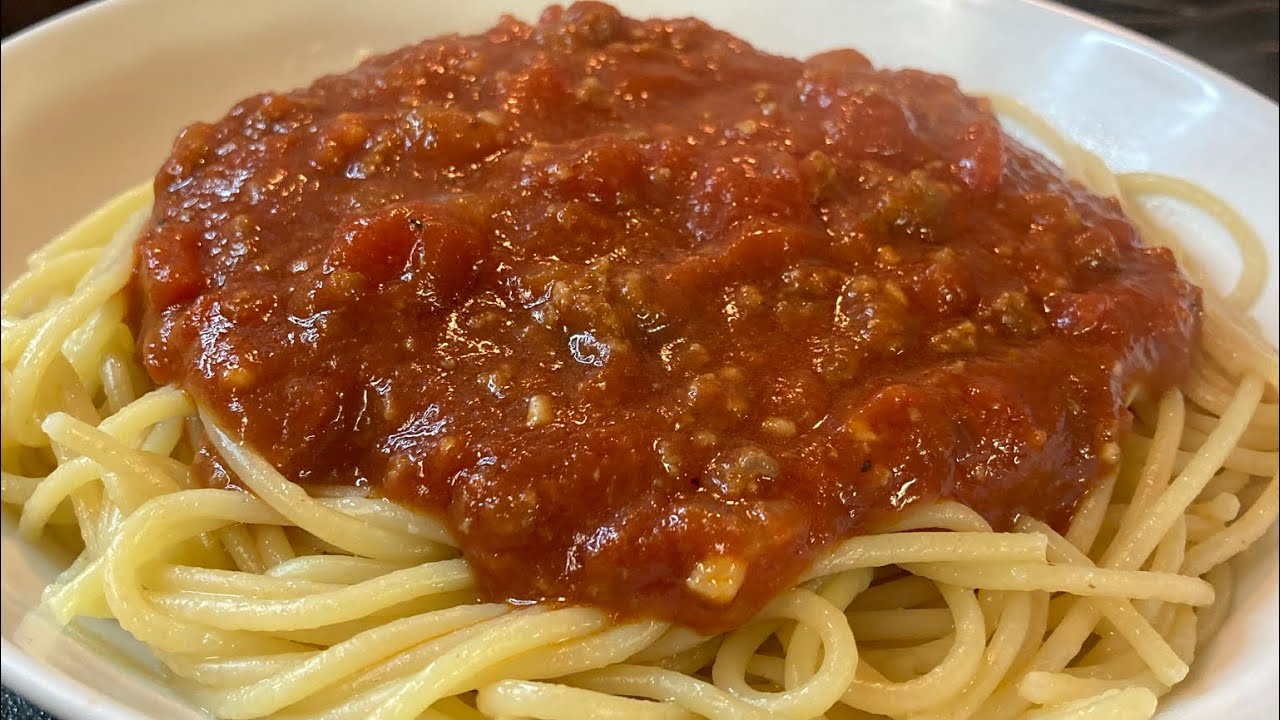
There’s something special about making spaghetti sauce from fresh tomatoes. The flavor is brighter, the aroma fills the kitchen, and you know exactly what goes into every spoonful. Whether you’re using tomatoes from your garden, a local farmers’ market, or the grocery store, this recipe is a simple way to turn fresh produce into a rich and comforting pasta sauce.
Unlike many jarred sauces, homemade spaghetti sauce with fresh tomatoes lets the natural sweetness of ripe tomatoes shine. Roasting the vegetables before simmering adds even more depth without making the recipe complicated.
In this guide, you’ll learn how to make a flavorful spaghetti sauce from scratch, which tomatoes work best, how to store it, and a few simple tips to make it even better.
Why Make Homemade Spaghetti Sauce with Fresh Tomatoes?
Fresh tomatoes give your sauce a taste that canned tomatoes can’t always match. When tomatoes are in season, they’re naturally sweet, juicy, and full of flavor, making them perfect for homemade pasta sauce.
Making your own sauce also means you can control every ingredient. You decide how much garlic, herbs, salt, or seasoning to add. There are no unnecessary preservatives or artificial flavors, just fresh ingredients cooked together into a rich sauce.
Another advantage is that it’s versatile. You can serve it over spaghetti, use it as a pizza sauce, spoon it into baked pasta dishes, or freeze extra portions for busy weeknights.
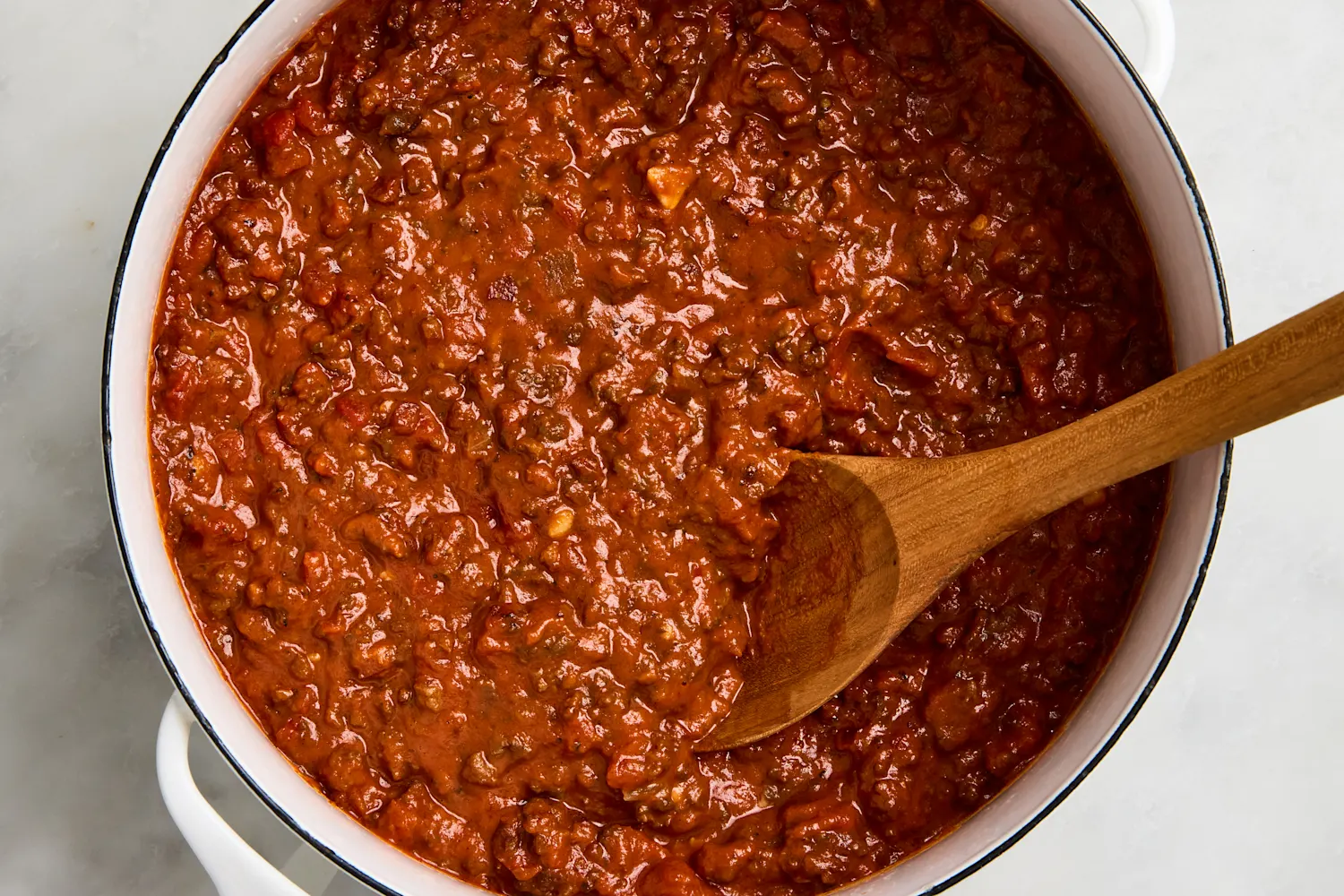
Ingredients You’ll Need
This recipe keeps things simple while creating a flavorful sauce.
You’ll need:
- 12–14 ripe fresh tomatoes
- 1 large onion
- 1 whole head of garlic
- 2–3 tablespoons olive oil
- Fresh basil leaves
- Fresh oregano
- 1–2 teaspoons brown sugar
- Salt
- Freshly ground black pepper
If fresh herbs aren’t available, dried basil and oregano work well too. However, fresh herbs provide a brighter flavor that pairs beautifully with roasted tomatoes.
The Best Fresh Tomatoes for Spaghetti Sauce
One of the best things about homemade spaghetti sauce with fresh tomatoes is that you don’t have to stick to one variety. Almost any ripe tomato can produce a delicious sauce.
Roma tomatoes are popular because they contain less water and more flesh, resulting in a naturally thicker sauce. San Marzano tomatoes are another excellent option thanks to their rich flavor and low acidity.
If you have garden tomatoes, use whatever is fully ripe. Beefsteak, Brandywine, Cherokee Purple, Early Girl, and even cherry tomatoes can all be combined. Mixing different varieties often creates a deeper and more balanced flavor. The most important rule is simple: use ripe tomatoes. The better your tomatoes taste fresh, the better your finished sauce will taste.
Should You Peel Fresh Tomatoes?
Many people wonder if peeling tomatoes is necessary. The answer depends on your preference. If you want an extra-smooth spaghetti sauce, removing the skins is a good idea. Simply score the bottom of each tomato, blanch them in boiling water for about a minute, then transfer them to ice water. The skins will slip off easily.
If you’re roasting and blending the tomatoes, you can skip this step altogether. A blender or food processor breaks down the skins, making them barely noticeable in the finished sauce. Skipping the peeling step also saves time, making this recipe even easier.
Roast the Vegetables for Better Flavor
Roasting is one of the easiest ways to improve homemade spaghetti sauce. Slice the tomatoes in half and arrange them on a baking tray with chopped onion and a halved head of garlic. Drizzle everything with olive oil and season lightly with salt and pepper.
Roast the vegetables at 350°F (175°C) for about 30 minutes until they’re soft and lightly caramelized.
Roasting removes some of the tomatoes’ excess moisture while bringing out their natural sweetness. It also softens the garlic, giving the sauce a mellow, rich flavor instead of the sharp bite of raw garlic.
Blend Until You Reach the Texture You Like
After the roasted vegetables cool slightly, transfer them to a blender or food processor. Squeeze the roasted garlic cloves out of their skins and add them to the tomatoes and onions. Add fresh basil, oregano, and a little brown sugar before blending.
Blend briefly if you enjoy a chunky spaghetti sauce. For a smoother restaurant-style texture, continue blending until the mixture becomes silky. An immersion blender also works well if you prefer blending directly in the cooking pot.
Simmer the Sauce Slowly
Pour the blended mixture into a large saucepan or Dutch oven. Bring it to a gentle simmer over low heat and cook for at least one hour, stirring occasionally. During this time, the flavors come together, and the sauce gradually thickens.
Taste the sauce every 15 to 20 minutes. You can adjust the seasoning by adding more salt, pepper, basil, or oregano if needed. If your tomatoes are especially acidic, a small amount of brown sugar helps balance the flavor without making the sauce taste sweet.
Patience is the secret to a rich homemade spaghetti sauce with fresh tomatoes. A slow simmer creates a deeper, more developed flavor.
How to Make the Sauce Thicker
Fresh tomatoes naturally contain more water than canned tomatoes, so your sauce may seem a little thin at first. Don’t worry—it will thicken as it cooks.
The easiest method is to let the sauce simmer uncovered. This allows excess moisture to evaporate while concentrating the tomato flavor. Stir every so often to prevent sticking.
If you still prefer a thicker consistency, continue cooking for another 20 to 30 minutes. Avoid adding flour or cornstarch, as they can change the texture and dull the fresh tomato taste. Choosing meatier tomatoes, such as Roma or San Marzano, also helps create a naturally thick sauce.
Easy Ways to Customize the Recipe
One of the best things about homemade spaghetti sauce with fresh tomatoes is how easy it is to make it your own. For a heartier meal, brown ground beef or Italian sausage and stir it into the sauce before simmering. If you enjoy a little heat, add crushed red pepper flakes or a pinch of cayenne.
You can also include vegetables like mushrooms, bell peppers, zucchini, or carrots for extra flavor and texture. Fresh parsley, thyme, or rosemary can give the sauce a slightly different herbal note. Make small changes each time until you find your family’s favorite version.
Common Mistakes to Avoid
A few simple mistakes can affect the final result. Using unripe tomatoes often leads to a bland or sour sauce. Always choose tomatoes that are fully ripe and fragrant.
Cooking the sauce too quickly doesn’t give the flavors enough time to develop. A gentle simmer is worth the wait. Adding too much sugar can overpower the natural tomato flavor. Start with a small amount and only add more if needed.
Finally, don’t forget to taste as you cook. Adjusting the seasoning throughout the simmering process helps create a balanced and flavorful sauce.
What to Serve with Homemade Spaghetti Sauce
This sauce works well with much more than spaghetti. Serve it over fettuccine, penne, rigatoni, or linguine for an easy family dinner. It also makes a delicious pizza sauce or a base for baked dishes like lasagna and baked ziti.
For a lighter meal, spoon it over zucchini noodles or roasted vegetables. You can even use it in stuffed peppers, eggplant Parmesan, or meatball subs. Finish each serving with freshly grated Parmesan cheese, chopped basil, and warm garlic bread for a classic Italian-inspired meal.
How to Store Leftover Sauce
Once the sauce has cooled completely, transfer it to an airtight container or glass jar. It will stay fresh in the refrigerator for up to four days, making it perfect for meal prep. The flavor often becomes even richer after a day in the fridge as the herbs and tomatoes continue to blend together.
Reheat gently on the stovetop over low heat or warm it in the microwave, stirring occasionally until heated through.
Can You Freeze Homemade Spaghetti Sauce?
Yes. This sauce freezes beautifully. Allow it to cool completely before dividing it into freezer-safe containers or freezer bags. Leave a little space at the top because the sauce expands as it freezes.
Label each container with the date so you know when it was stored. For the best quality, use frozen sauce within three to six months. When you’re ready to enjoy it, thaw it overnight in the refrigerator and reheat slowly on the stovetop until hot.
How to Preserve Homemade Spaghetti Sauce
If you enjoy preserving homemade food, this sauce can be canned using safe home-canning practices. Because tomatoes vary in acidity, bottled lemon juice or citric acid is commonly added before processing to help ensure safe preservation. Follow tested water-bath or pressure-canning guidelines from trusted food preservation sources for processing times and jar preparation. Properly canned spaghetti sauce lets you enjoy the taste of fresh summer tomatoes throughout the year.
Final Thoughts
Making homemade spaghetti sauce with fresh tomatoes is one of the easiest ways to turn simple ingredients into a comforting meal. Roasting the tomatoes, onions, and garlic creates a rich base, while a slow simmer allows every flavor to come together naturally.
The recipe is easy to adjust based on your family’s preferences, freezes well for future meals, and works in everything from classic spaghetti to pizza and baked pasta dishes. Once you’ve made it from scratch, you’ll appreciate the fresh taste and flexibility that homemade sauce offers. Whether you’re using tomatoes from your own garden or picking up fresh produce from the market, this recipe is a delicious way to make the most of tomato season.
Frequently Asked Questions
Q1. Can I make homemade spaghetti sauce with fresh tomatoes without peeling them?
Yes. If you’re blending the roasted vegetables, the skins become very fine and are hardly noticeable.
Q2. Which tomatoes make the best spaghetti sauce?
Roma and San Marzano tomatoes are excellent choices because they contain less water, but any ripe tomatoes can produce a delicious sauce.
Q3. Why does my sauce taste acidic?
Some tomato varieties are naturally more acidic. A small amount of brown sugar helps balance the flavor, while a longer simmer can also mellow the acidity.
Q4. Can I use dried herbs instead of fresh herbs?
Absolutely. Dried basil and oregano work well, though fresh herbs provide a brighter and more aromatic flavor.
Q5. How long should I simmer homemade spaghetti sauce?
At least one hour is recommended, but simmering for up to two hours creates an even richer and thicker sauce.


Latest Articles
 How Much Working Capital Do You Need Acc…In Business
- What Does NM Mean in Text Message? Know …In Social Media
- Best Premium Laptops for Productivity &#…In Tech
- What Does ICL Mean in Texting? Meaning, …In Social Media
- What Does Igh Mean in Text? Decode This …In Social Media
- What Does GNG Mean in Texting? 2 Meaning…In Social Media
- Buying a Used Car? Your Insurance Quote …In Insurance
- TW Meaning in Chat: Why Is Everyone Usin…In Social Media