
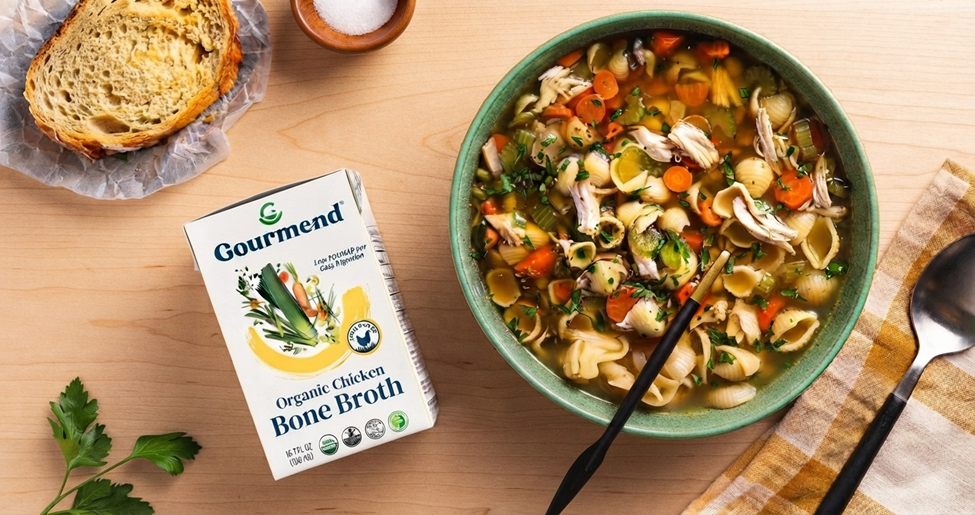
For the millions of people who struggle with bloating, cramping, and unpredictable digestion, discovering a reliable low fodmap store stocked with gut-friendly essentials can feel like a genuine turning point. The low FODMAP diet has become one of the most researched and effective dietary approaches for easing digestive discomfort — and understanding how it works is the first step toward feeling better.
What Are FODMAPs?
FODMAP is an acronym for Fermentable Oligosaccharides, Disaccharides, Monosaccharides, and Polyols. These are types of short-chain carbohydrates that some people find difficult to digest.
When poorly absorbed, they travel to the large intestine, where gut bacteria ferment them and they draw in extra water. For sensitive individuals, this process can trigger gas, bloating, abdominal pain, and changes in bowel habits. Common high-FODMAP foods include wheat, certain fruits and vegetables, legumes, dairy, and — notoriously — garlic and onion.
The Science Behind the Diet
The low FODMAP diet is not a fad; it is an evidence-based approach developed by researchers at Monash University in Australia in the early 2000s. Since then, it has become one of the most studied dietary therapies in gastroenterology.
The condition it most often helps is irritable bowel syndrome (IBS), which affects an estimated 10–15% of people worldwide. The results can be striking: according to Monash University, around 75% of people with IBS experience meaningful symptom relief on a low FODMAP diet. Research also indicates that up to 70% of people with IBS link their symptoms to specific foods — which is exactly what this approach is designed to help identify. Those early findings have since been replicated by research teams around the world, and the diet is now widely recommended by gastroenterologists and dietitians as a first-line dietary strategy for IBS.
How the Diet Actually Works
One of the most important things to understand is that the low FODMAP diet is not meant to be permanent. It is a structured, three-phase process.
The first phase is elimination, in which high-FODMAP foods are temporarily removed to calm symptoms. The second is reintroduction, where foods are added back one at a time to pinpoint personal triggers. The third is personalization, where a varied, sustainable long-term diet is built around each individual’s unique tolerances. Because the process can be complex and overly restrictive if done incorrectly, it is best undertaken with guidance from a doctor or a registered dietitian.
The Garlic and Onion Problem
Ask anyone who has tried the diet, and they will likely tell you the same thing: garlic and onion are the hardest ingredients to give up. Both are high in fructans, a type of FODMAP, and both appear in an astonishing range of packaged foods, sauces, and seasonings.
This is where many people feel discouraged. Cutting out garlic and onion can seem to strip the flavor from cooking entirely, leaving meals bland and uninspiring.
Smart Swaps Make It Manageable
The good news is that flavor and gut comfort are not mutually exclusive. Clever low-FODMAP swaps let you keep the tastes you love. Garlic-infused oil, for instance, delivers rich garlic flavor without the fructans, because FODMAPs are water-soluble rather than oil-soluble.
Similarly, the green tops of scallions and leeks — along with garlic scapes and chives — provide that familiar savory depth while remaining low in FODMAPs. A surprising number of herbs and spices, from cumin and paprika to ginger, basil, and oregano, are also naturally low in FODMAPs and can add plenty of character to a dish. When shopping, it pays to read labels carefully and watch for hidden sources such as onion powder, garlic powder, and vague “natural flavors” that can quietly derail your progress.
Eating Well Without the Discomfort
Following a low FODMAP diet does not have to mean bland, joyless food. With the right pantry staples — a comforting low fodmap chicken broth, thoughtfully crafted seasonings, and whole, clean ingredients free from unnecessary fillers and additives — eating gently can still be genuinely delicious.
It is worth remembering, too, that persistent digestive symptoms should always be evaluated by a healthcare professional first, since they can overlap with other conditions that require different treatment. The low FODMAP diet is a management tool, not a cure, and it works best as part of informed, individualized care.
A Gentler Way to Eat
Living with a sensitive stomach can feel limiting, but it does not have to mean giving up the food you love. Backed by two decades of research, the low FODMAP diet offers a practical, evidence-based path toward fewer symptoms and more confidence at the table.
Having the right products on hand makes that path far easier to follow — and that is exactly where Gourmend comes in. Built for people who refuse to choose between comfort and flavor, Gourmend crafts its low FODMAP cooking essentials from whole, real ingredients, with none of the fillers, additives, or preservatives found in so many packaged foods. It is a simple promise — delicious first, gentle always — so that eating well and feeling well can finally go hand in hand.



Latest Articles
 What Does WYFF Mean? Slang Meaning, Text…In Social Media
- Health Insurance Premium Estimator: What…In Insurance
- Gonzay.com: The Complete Guide to Guest …In Digital Marketing
- Roland von Kurnatowski Sr.: Theo Von’s D…In Biography
- Why Is ORM Important? The Status Labs Ca…In Digital Marketing
- Health Insurance for First-Time Buyers: …In Technology
- Cash App Login Without App: Easy Ways to…In Technology
- Corey Mylchreest: Age, Height, Movies, G…In Biography