
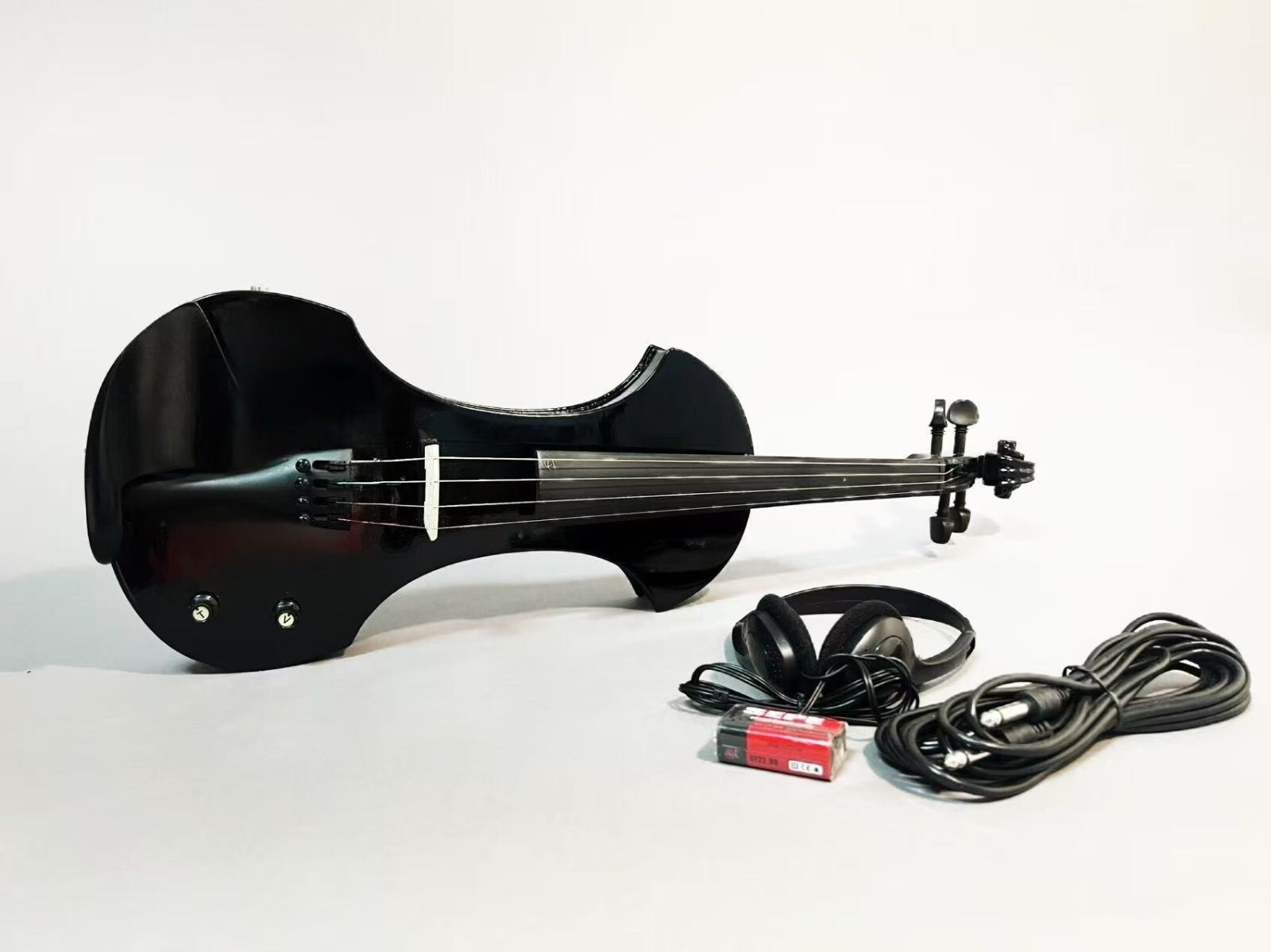
The violin’s form and design have existed for almost 400 years now. Its design changed very little, nothing too much. And with that classic instrument, a player only needs a bow and strings to play.
But then the electric violin came along, and everything shifted because of technology. You’ll see these violins sitting on stages at rock concerts, in studios, and played by players who are not afraid to layer their sound live. Pretty amazing, right? But how do electric violins work, and what’s the tech behind them?
Table of Contents
The Evolution of Electric Violins
From Acoustic to Electric
Acoustic violins? They produce sound through the vibration of the strings, which then travels to the wooden body. But the electric violin is a bit different.
These modern versions don’t rely on the body to project sound. Instead, they use pickups. These are electronic sensors that detect string vibration. Once these sensors detect the vibration, it becomes an electrical signal. That signal is sent to an audio interface, like an amplifier, where you can hear the actual sounds.
Key Components of an Electric Violin
There are several core components that make an electric violin very unique. There are pickups, which are considered the heart of any violin. There are also preamps and signal processing, an output jack and cabling.
The body design can also come in different shapes. It can be thin central frames or ergonomic contours.
Benefits of Modern Violin Technology
Greater Sound Control
If there’s one significant advantage of an electric violin, it’s the degree of control over the sound. For example, you can match the volume in any stage environment. Electric violins are also compatible with different effects, like delay, distortion, and reverb, to name a few.
Practice and Performance Advantages
The next advantage is silent practice. This is good news, especially for those who live with family, neighbors, or roommates who don’t want to be disturbed.
Just plug into headphones instead of an amplifier, and you’re ready for a full-intensity practice.
What Beginners Can Learn from Violin Technology
Understanding Instrument Features
Regardless of whether it’s electric or acoustic, you need to know that an instrument’s build dictates its playability.
Setup and construction are a big deal, especially string height and bridge quality. Also, comfort and responsiveness matter more than most beginners expect.
Starting With the Right Foundation
Many new players begin their musical journey with a cheap violin, allowing them to develop essential skills and determine their long-term interests before exploring specialized instruments such as electric violins.
Challenges and Considerations
Of course, electric violins have trade-offs as well. First is its high cost. It’s not cheap, to be honest. Likewise, you need additional equipment requirements to start playing. It’s also important to note that electric violins respond differently from acoustic instruments.
The Future of Violin Innovation
We can see that the pace of development in electric violin technology is unlikely to slow. In fact, we see possible trends in advanced signal processing, wireless systems, and even cost accessibility.
Technology and Modern Musical Instruments
As technology continues to influence the way people create and experience music, traditional instruments are also benefiting from digital innovation. Modern electric violins are a good example, combining familiar playing techniques with electronic components, amplification, and sound-processing capabilities. These developments give musicians greater flexibility in shaping their sound and adapting to different performance environments. For readers interested in the wider impact of technology on everyday devices and creative tools, TechMazinenet offers further insights into the latest developments in technology, gadgets, and digital trends.
Conclusion
Seeing an electric violin will remind you that technology can open up possibilities and opportunities to upgrade ancient instruments without losing their identity. The pickup system and silent practice options are just proof that innovation can wow and benefit musicians.




Latest Articles
 Roland von Kurnatowski Sr.: Theo Von’s D…In Biography
- Why Is ORM Important? The Status Labs Ca…In Digital Marketing
- Health Insurance for First-Time Buyers: …In Technology
- Cash App Login Without App: Easy Ways to…In Technology
- Corey Mylchreest: Age, Height, Movies, G…In Biography
- How to Unlock Borrow on Cash App: 6 Thin…In Finance
- Citipassport Names the Top 3 Countries T…In Travel
- Landry Shamet Ethnicity, Race, Parents a…In Biography