
Chimney Cleaning Near Me: Why Routine Maintenance Is More Important Than You Think
varsha February 24, 2026 0 COMMENTS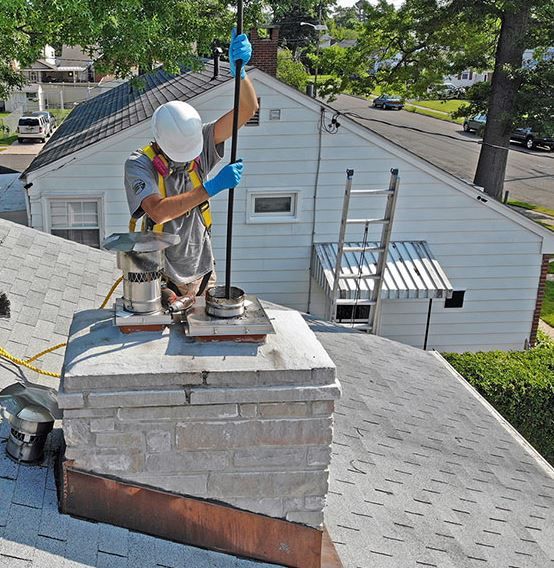
When homeowners type “chimney cleaning near me” into a search engine, it’s often prompted by one of two things: a visible issue or a lingering sense that maintenance has been overdue. While chimney cleaning may not always feel urgent, it plays a crucial role in protecting your home from fire hazards, structural damage, and indoor air safety risks.
Unlike many home maintenance tasks, chimney cleaning addresses dangers that are largely invisible. Problems build gradually inside the flue, behind masonry walls, and within components most homeowners never see. By the time warning signs appear, the system may already be under stress.
Understanding what chimney cleaning actually accomplishes—and why it matters—helps homeowners move from reactive service to proactive protection.
What Happens Inside a Chimney Over Time
Every time wood burns, smoke travels upward through the flue carrying microscopic particles of unburned fuel. As the hot smoke rises, it cools against the interior chimney walls. This cooling process causes condensation, forming a sticky, tar-like substance known as creosote.
Creosote buildup is unavoidable in wood-burning systems. Over time, it layers and hardens along the flue interior.
Creosote is:
- Highly flammable
- Capable of narrowing the flue
- Difficult to remove once glazed
- A primary cause of chimney fires
When creosote accumulates excessively, it restricts airflow and increases ignition risk. Even a small chimney fire can crack liners, weaken masonry, and create long-term structural vulnerabilities.
Routine chimney cleaning removes this buildup before it reaches dangerous levels.
Chimney Cleaning Is Also a Safety Inspection
Professional chimney cleaning is not just a mechanical brushing process. It includes inspection and evaluation of the system’s structural integrity.
When homeowners search for chimney cleaning near me, they may not realize that a qualified technician will also assess:
- Liner condition
- Mortar joint integrity
- Chimney crown cracks
- Flashing stability
- Cap and spark arrestor condition
- Draft efficiency
These components work together to maintain safe venting. Cleaning provides an opportunity to identify problems early—often before they produce visible symptoms.
How Often Should a Chimney Be Cleaned?
There is no universal timeline because frequency depends on usage patterns. Factors influencing cleaning intervals include:
- How often the fireplace is used
- Type of wood burned
- Moisture content of firewood
- Burn temperature
- Chimney height and design
- Draft performance
Homes that burn wood daily during winter may require cleaning more than once per year. Occasional-use fireplaces may require annual service.
A professional evaluation determines the appropriate schedule based on actual creosote accumulation—not assumptions.
The Hidden Dangers of Delaying Chimney Cleaning
Many homeowners postpone chimney service because they don’t notice immediate problems. Unfortunately, chimney hazards develop silently.
Delaying cleaning increases the likelihood of:
- Chimney fires
- Smoke backup into living spaces
- Carbon monoxide exposure
- Structural liner damage
- Accelerated masonry deterioration
- Decreased heating efficiency
Chimney fires often occur without warning and can burn extremely hot, damaging internal components even if flames never reach the living space.
Routine maintenance significantly reduces these risks.
Blockages and Obstructions Are Common
Beyond creosote, chimneys frequently accumulate other obstructions.
Common blockages include:
- Animal nesting materials
- Fallen bricks or mortar
- Leaves and debris
- Ice formation at the cap
- Broken liner fragments
These blockages interfere with airflow and may lead to smoke rollback or dangerous gas buildup inside the home.
Professional chimney cleaning addresses both buildup and obstruction issues.
The Role of Draft in Chimney Performance
Draft is the upward movement of air that carries smoke and gases safely out of the home. Creosote buildup narrows the flue, which reduces draft efficiency.
Poor draft leads to:
- Difficulty starting fires
- Smoke entering the room
- Increased creosote condensation
- Lingering smoke odors
Cleaning restores proper airflow, improving both safety and performance.
Moisture and Chimney Cleaning
Moisture is a major contributor to chimney damage. When creosote mixes with moisture, it becomes acidic and accelerates internal deterioration.
Additionally, clogged chimneys may trap condensation, leading to:
- Rusted dampers
- Corroded metal components
- Masonry cracking
- Mold or mildew odors
Regular chimney cleaning helps prevent moisture-related damage by maintaining clear airflow and reducing condensation buildup.
Why Professional Equipment and Techniques Matter
DIY chimney cleaning kits exist, but they rarely provide the thoroughness of professional service. Certified technicians use specialized brushes, rods, vacuums, and inspection tools designed for complete and safe cleaning.
Professional service ensures:
- Proper containment of soot and debris
- Thorough removal of buildup
- Protection of interior surfaces
- Accurate identification of structural concerns
Improper cleaning techniques can damage liners or fail to remove hardened creosote layers.
Warning Signs That You Should Schedule Service Immediately
Homeowners should not wait for annual reminders if they notice:
- Strong smoky odors
- Falling black flakes in the firebox
- Smoke backing into the home
- Unusual draft behavior
- Visible soot buildup
- Rust inside the fireplace
These symptoms indicate that chimney cleaning near me should become a priority rather than a future task.
Long-Term Benefits of Routine Cleaning
Consistent chimney maintenance provides long-term protection by:
- Reducing fire risk
- Improving heating efficiency
- Extending liner lifespan
- Preserving masonry integrity
- Supporting safe indoor air quality
- Preventing expensive structural repairs
Preventative maintenance costs far less than post-damage reconstruction.
Final Thoughts
Searching for chimney cleaning near me is more than a convenience—it is a responsible step toward protecting your home. Chimney systems work quietly in the background, but they require attention to remain safe and efficient.
Routine cleaning removes dangerous creosote buildup, restores airflow, and allows professionals to identify developing issues before they escalate. By prioritizing maintenance instead of reacting to emergencies, homeowners protect their property, their investment, and the people inside their home.




Latest Articles
 Posts ThriftyEvents.net: What Is the Web…In Website
- GlobeInsightBlog Com: Website Features, …In Website
- Arattai App Review: What Makes It Differ…In App
- How to set up the electronics on a fishi…In Automotive
- SYFM Meaning Explained: Is This Texting …In Social Media
- How Much Working Capital Do You Need Acc…In Business
- What Does NM Mean in Text Message? Know …In Social Media
- Best Premium Laptops for Productivity &#…In Tech