
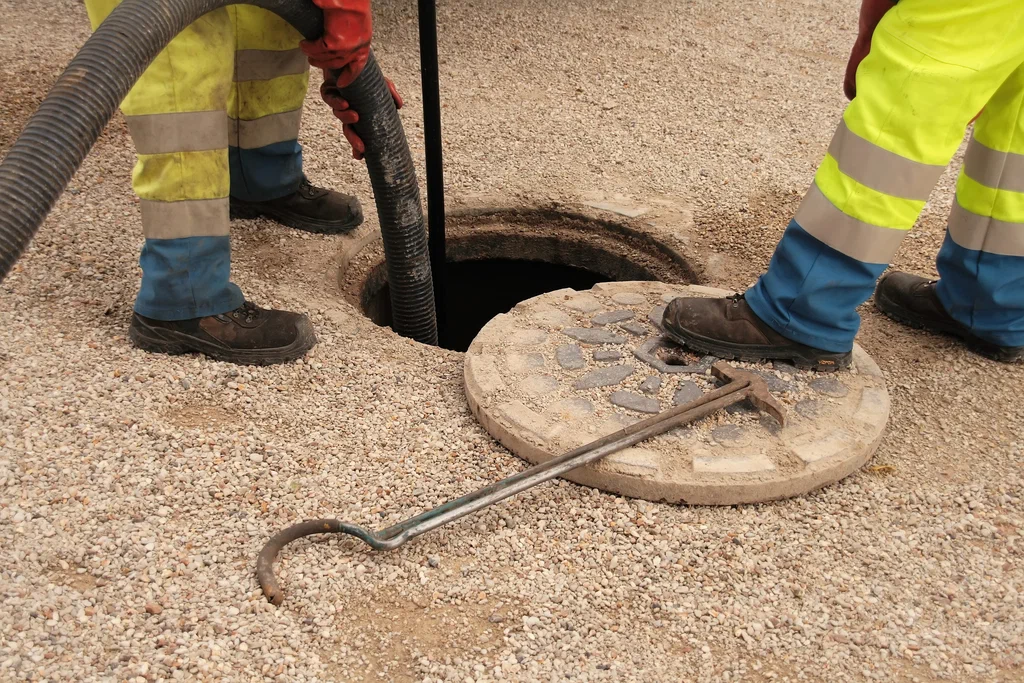
Gurgling noises coming from your drains are a surprisingly common problem in many UK homes. Whether it is a kitchen sink bubbling after washing up, a shower drain making strange sounds, or a toilet gurgling after flushing, these noises are often one of the earliest signs that something is not quite right within the drainage system. Homeowners dealing with blocked drains Chichester and surrounding areas frequently notice these sounds before more serious drainage problems begin to develop. While the noises may seem harmless at first, they usually indicate that air is becoming trapped somewhere in the pipework due to restricted water flow or developing blockages.
In many cases, homeowners ignore these noises because the drains still appear to be working normally. However, drainage problems rarely fix themselves. A minor obstruction can gradually become more severe over time, potentially leading to slow drainage, unpleasant smells, overflowing water or even damage to underground pipework. Identifying the cause early can often prevent more disruptive and expensive repairs later on.
Understanding why drains make gurgling noises is the first step towards protecting your plumbing system and avoiding unnecessary stress. In this article, we will explore the most common causes of gurgling drains, the warning signs to look out for, and what homeowners can do before the problem escalates. Companies such as DrainBoss regularly deal with blocked drains, recurring drainage issues and hidden pipework problems across the South of England, helping homeowners identify the cause before the situation becomes more serious.
What Does a Gurgling Drain Actually Mean?
A drainage system is designed to move both water and air smoothly through the pipework. When water flows down a sink, shower or toilet, air naturally moves through the system alongside it to maintain balanced pressure inside the pipes. In a properly functioning drain, this process happens quietly and efficiently without any unusual sounds.
Gurgling usually occurs when air becomes trapped somewhere in the drainage system and cannot escape normally. As water tries to pass through a partially blocked or poorly ventilated pipe, the trapped air is forced through the water, creating the bubbling or gurgling sound homeowners often hear from plugholes or toilets. In simple terms, the noise is often a sign that the drainage system is struggling to “breathe” correctly.
Some of the most common reasons this happens include:
- Partial blockages caused by grease, soap or hair
- Build-up of debris inside waste pipes
- Problems with drain ventilation or vent stacks
- Restricted water flow in underground drains
- Early signs of damaged or collapsed pipework
While a single gurgling noise may not always indicate a major issue, repeated sounds should never be ignored. In many cases, they are an early warning sign that drainage performance is beginning to deteriorate behind the scenes.
The Most Common Causes of Gurgling Drains
One of the most common reasons for a gurgling drain is a partial blockage somewhere inside the pipework. Unlike a complete blockage, where water stops draining entirely, partial obstructions still allow some water to pass through. However, they disrupt the normal movement of both water and air within the system, which often creates bubbling or gurgling noises.
In bathrooms, hair build-up and soap residue are frequent causes of restricted flow. In kitchens, grease, cooking oils and food waste gradually stick to the inside of pipes and narrow the passage over time. Even everyday debris can slowly collect and reduce the efficiency of the drainage system.
Small obstructions may not seem serious initially, but they can create pressure imbalances inside the pipes. As water pushes past the restriction, trapped air struggles to escape correctly, producing the characteristic gurgling sound many homeowners notice first.
Blocked External Drains
Not all drainage problems begin inside the home. External drains and gullies can also become blocked with leaves, mud, moss and debris carried by rainwater. This is especially common during autumn and periods of heavy rainfall in the UK.
When outdoor drains become restricted, water may struggle to move freely through the underground drainage network. As pressure builds within the system, indoor fixtures such as sinks, showers and toilets can begin making unusual noises as air becomes trapped in the pipework.
Many homeowners are surprised to learn that an outside blockage can directly affect plumbing fixtures inside the property. In some cases, the first noticeable symptom is simply a gurgling sound coming from a bathroom or kitchen drain.
Drain Ventilation Problems
Drainage systems rely on proper ventilation to maintain stable air pressure inside the pipes. Vent pipes allow air to move in and out of the system safely, helping wastewater flow smoothly away from the property.
If a vent pipe becomes blocked by debris, leaves or nesting materials, airflow can become restricted. This may cause pressure imbalances within the drainage system, forcing trapped air back through sinks, showers or toilets. The result is often a bubbling or gurgling sound after water is used.
Fortunately, ventilation issues are often straightforward to diagnose once identified. However, because vent pipes are usually located on roofs or hidden areas of the property, the problem can easily go unnoticed for long periods.
Underground Pipe Damage
In some situations, recurring gurgling noises may point to a deeper hidden problem underground. Older drains can develop cracks, slight collapses or pipe misalignment over time due to ground movement, age or external pressure.
Tree roots are another common cause of underground drainage issues. Roots naturally seek moisture and can gradually enter small cracks in pipes, eventually restricting water flow and trapping debris inside the system.
The table below shows some common causes of gurgling drains and the problems they may lead to:
| Cause | Typical Effect on the Drainage System |
| Hair and soap build-up | Restricted water flow and trapped air |
| Grease and food waste | Narrowed pipes and recurring blockages |
| Blocked outdoor drains | Back pressure affecting indoor fixtures |
| Ventilation problems | Air pressure imbalance and bubbling noises |
| Cracked or damaged pipes | Poor drainage and recurring gurgling |
| Tree root intrusion | Pipe obstruction and structural damage |
While occasional drain noises may not always indicate a major emergency, repeated gurgling should never be ignored. Persistent sounds can sometimes be an early warning sign of developing drainage damage hidden beneath the property.
Warning Signs That the Problem Is Getting Worse
A gurgling drain is often one of the earliest warning signs of a developing drainage issue, but it is rarely the only symptom. As the problem becomes more severe, homeowners may begin noticing additional changes throughout the plumbing system. Recognising these signs early can help prevent larger and more disruptive drainage failures later on.
One of the most common warning signs is slow-draining water in sinks, showers or baths. Water may begin taking longer than usual to disappear, especially after regular use. This often suggests that a blockage is gradually restricting the pipe and preventing proper water flow. In some cases, toilets may also start bubbling or producing air bubbles after flushing, which is usually caused by trapped air struggling to move through the drainage system correctly.
Unpleasant smells coming from plugholes or drains are another strong indication that something may be wrong. Lingering odours can develop when waste, grease or stagnant water becomes trapped inside partially blocked pipes. If left untreated, the build-up may continue to worsen and eventually affect multiple areas of the property.
More advanced drainage issues can also cause water to back up into other fixtures. For example, running a washing machine may cause water to rise in a nearby sink, or flushing a toilet could trigger noises from the shower drain. Frequent gurgling noises after using water anywhere in the house often suggest that pressure within the drainage system is no longer balanced properly.
If several of these symptoms appear together, it is usually a sign that the drainage problem is becoming more serious and may require professional investigation before further damage occurs.
Simple Checks You Can Try at Home
While persistent gurgling noises may sometimes indicate a more serious drainage issue, there are a few simple checks homeowners can safely try before seeking professional help. In many cases, minor build-up near the surface of the drainage system can be improved with basic maintenance and careful cleaning.
Clean the Plughole and Waste Trap
Hair, soap residue and everyday debris often collect around the plughole and waste trap over time. Removing visible build-up can sometimes improve water flow and reduce trapped air inside the pipework. Wearing gloves, carefully clear away any debris that is easy to access and dispose of it safely in a bin rather than washing it further down the drain.
In bathrooms especially, even a small amount of accumulated hair can gradually restrict drainage performance and contribute to bubbling or gurgling sounds.
Flush the Drain With Hot Water
Flushing the drain with hot water may help loosen light grease, soap residue or minor build-up inside the pipe. This is particularly useful for kitchen sinks where oils and fats can begin sticking to the inner walls of the drainage system.
However, hot water is only likely to help with very minor restrictions. If the drain continues making noises afterwards, the blockage may be located deeper within the system.
Inspect Outdoor Drain Covers
External drains and gullies should also be checked regularly, particularly after heavy rain or during autumn when leaves and mud can quickly accumulate. Surface debris around drain covers can restrict water flow and create pressure problems that affect indoor plumbing fixtures.
Clearing visible dirt, leaves and standing water around outdoor drains may sometimes improve drainage performance throughout the property.
Avoid Overusing Chemical Drain Cleaners
Many homeowners immediately turn to strong chemical drain cleaners when they hear gurgling noises. While these products may occasionally provide short-term results, excessive use can potentially damage older pipework, seals and joints over time.
Harsh chemicals may also fail to remove the real cause of the problem if the blockage is deeper within the drainage system. Repeatedly using chemical cleaners without identifying the underlying issue can sometimes make future repairs more difficult and expensive.
When DIY Fixes Are No Longer Enough
Basic drain maintenance can sometimes resolve minor issues, particularly when the problem is caused by small amounts of surface debris or early build-up inside the pipework. However, if gurgling noises continue even after cleaning the drain, it is often a sign that the underlying problem is located deeper within the drainage system.
Persistent noises that repeatedly return after temporary improvement should not be ignored. In many cases, recurring symptoms suggest that a blockage has formed further along the pipework where household cleaning methods cannot reach effectively. Similarly, if multiple drains around the property begin making noises at the same time, the issue may involve a larger section of the drainage network rather than a single isolated fixture.
Recurring blockages are another important warning sign. If sinks, showers or toilets repeatedly drain slowly despite regular cleaning, there may be a structural problem restricting water flow underground. Over time, grease accumulation, pipe damage, root intrusion or collapsed sections of drain can gradually worsen and create repeated drainage failures throughout the property.
One of the clearest signs of a more serious issue is water backing up into other fixtures. For example, flushing a toilet may cause water to rise in a nearby shower tray, or running a washing machine may create bubbling in the kitchen sink. This usually indicates that wastewater is struggling to move freely through the system and pressure is building inside the drains.
When these symptoms begin appearing together, the problem often extends beyond a simple household blockage. Professional investigation may be needed to identify hidden faults, underground pipe damage or larger obstructions before the issue develops into flooding, sewage backflow or costly repairs.
How Drainage Problems Are Professionally Diagnosed
When drainage issues become persistent or difficult to identify, professional inspection methods are often needed to locate the exact cause of the problem. Modern drainage specialists use a range of specialised equipment to investigate blocked or noisy drains without unnecessary excavation or disruption to the property.
One of the most effective diagnostic tools is a CCTV drain inspection. A small waterproof camera is inserted into the drainage system, allowing engineers to inspect the inside of the pipes in real time. This makes it possible to identify hidden blockages, grease accumulation, cracked pipes, root intrusion and collapsed sections that would otherwise remain invisible underground. CCTV surveys are especially useful when recurring gurgling noises continue without an obvious explanation.
In cases where heavy build-up or stubborn obstructions are discovered, high-pressure water jetting is commonly used to clear the pipework. Powerful jets of water can break down grease, sludge and debris while cleaning the inner walls of the drain more thoroughly than many household methods. This not only removes existing restrictions but can also help restore normal airflow within the system.
Drain tracing methods may also be used to locate underground pipe routes and identify hidden problem areas around the property. This can be particularly helpful in older homes where drainage layouts may be unclear or undocumented. By tracing the system accurately, specialists can pinpoint defects more efficiently and avoid unnecessary digging.
Professional inspections are often able to reveal deeper structural issues that are impossible to detect from surface symptoms alone. Cracked drains, pipe displacement, hidden collapses and root damage can all contribute to recurring gurgling noises and ongoing drainage problems. Identifying these issues early can help prevent more extensive property damage and costly repairs later on.
How to Prevent Drains From Gurgling in Future
Preventing drains from developing gurgling noises often comes down to regular maintenance and good everyday habits. Many drainage problems build up gradually over time, meaning small preventative steps can significantly reduce the risk of blockages, trapped air and long-term pipe damage.
One of the simplest ways to protect your drainage system is by avoiding the build-up of grease, oils and food waste inside kitchen sinks. Even small amounts of cooking fat can stick to the inside of pipes and slowly restrict water flow. Instead of pouring grease down the drain, it should be allowed to cool and disposed of with household waste.
In bathrooms, using drain covers in showers and baths can help prevent hair, soap residue and debris from entering the pipework. These inexpensive covers can greatly reduce the amount of material accumulating inside the drains and help maintain proper water flow over time.
Regular outdoor drain checks are also important, particularly during autumn and after periods of heavy rainfall. Leaves, mud and debris can quickly block gullies and external drains, creating pressure issues that affect the entire drainage system. Keeping outdoor drainage areas clear can help prevent water backing up into the property.
Most importantly, homeowners should act quickly when early warning signs appear. Occasional gurgling noises, slow drainage or unpleasant smells may seem minor initially, but addressing small problems early is often far easier and less expensive than dealing with major drainage repairs later. Routine maintenance and early intervention remain the best ways to keep drains working quietly and efficiently.
Conclusion
Gurgling drains should never be dismissed as a harmless household annoyance. In many cases, unusual noises from sinks, showers or toilets are an early indication that airflow or water movement within the drainage system is becoming restricted. Acting quickly when these warning signs first appear can often prevent more serious problems such as major blockages, underground pipe damage or costly drainage repairs later on.
Regular maintenance, sensible waste disposal habits and early inspection of recurring symptoms all play an important role in keeping a drainage system working efficiently. For homeowners dealing with persistent drainage issues, companies such as DrainBoss provide professional drainage services including CCTV drain surveys, drain unblocking, high-pressure water jetting and drain repairs across the South and South East of England. With modern diagnostic equipment and extensive experience in residential and commercial drainage systems, professional investigation can often identify hidden issues long before they develop into larger structural problems.




Latest Articles
 Arattai App Review: What Makes It Differ…In App
- How to set up the electronics on a fishi…In Automotive
- SYFM Meaning Explained: Is This Texting …In Social Media
- How Much Working Capital Do You Need Acc…In Business
- What Does NM Mean in Text Message? Know …In Social Media
- Best Premium Laptops for Productivity &#…In Tech
- What Does ICL Mean in Texting? Meaning, …In Social Media
- What Does Igh Mean in Text? Decode This …In Social Media